Home Care

How to Create a Safe and Comfortable Home Environment for Aging Parents?

As our parents age, their homes—once filled with laughter and lively footsteps—can start to feel less accommodating. Simple tasks like climbing stairs, reaching for a cup, or stepping into the shower may become challenging or even risky. Creating a safe and comfortable home environment for aging parents isn’t just about preventing accidents; it’s about preserving their independence, dignity, and quality of life. With thoughtful modifications, smart organization, and the right support, you can help your loved ones age in place with confidence.

Start with a Home Safety Walkthrough

home care

Before making changes, take a fresh look at your parent’s home through the lens of safety. Walk through each room and imagine navigating it with limited mobility, reduced vision, or balance issues. Pay attention to:

  • Lighting: Are hallways, staircases, and bathrooms well-lit?
  • Flooring: Are there loose rugs, slippery tiles, or cluttered walkways?
  • Furniture: Are chairs and beds at a comfortable height for sitting and standing?
  • Access: Can frequently used items be reached without bending or stretching?

This simple audit helps you prioritize changes that will have the biggest impact on safety and comfort.

Reduce Fall Risks Room by Room

Falls are the leading cause of injury among older adults, and more than half happen at home. The good news? Most falls are preventable with small, targeted changes.

Entryways and Hallways

  • Install sturdy handrails on both sides of staircases.
  • Add motion-sensor lights or nightlights to illuminate paths after dark.
  • Secure or remove loose rugs and ensure floors are dry and slip-resistant.
  • Keep walkways clear of shoes, bags, and other tripping hazards.

Bathrooms

  • Bathrooms are high-risk areas. Make them safer with:
  • Grab bars near the toilet and inside the shower or tub (not towel racks, which can’t support weight).
  • Non-slip mats or adhesive strips in the shower and on the bathroom floor.
  • A shower chair or bench and a handheld showerhead for easier bathing.
  • Raised toilet seats if standing up is difficult.

Kitchen

  • Store everyday items between waist and shoulder height to avoid bending or reaching.
  • Use slip-resistant mats in front of the sink and stove.
  • Consider auto-shutoff devices for the stove if memory lapses are a concern.
  • Ensure good lighting over countertops and cooking areas.

Bedroom

  • Place a sturdy chair nearby for sitting while dressing.
  • Keep a phone or emergency alert device within reach of the bed.
  • Use nightlights to guide the way to the bathroom.
  • Make sure the bed height allows for easy sitting and standing.

Enhance Comfort and Accessibility

home care

Safety isn’t just about preventing falls—it’s also about making daily life easier and more enjoyable.

    • Furniture: Choose chairs with armrests and firm cushions for better support. Avoid low, soft sofas that are hard to rise from.
    • Technology: Smart home devices like voice-activated lights, thermostats, and video doorbells can add convenience and security.
    • Climate Control: Ensure the home stays comfortably warm in winter and cool in summer, as older adults are more sensitive to temperature extremes.
    • Organization: Label cabinets and drawers clearly, especially for those with vision or memory challenges. Keep pathways wide enough for walkers or wheelchairs if needed.

When to Consider Professional Support?

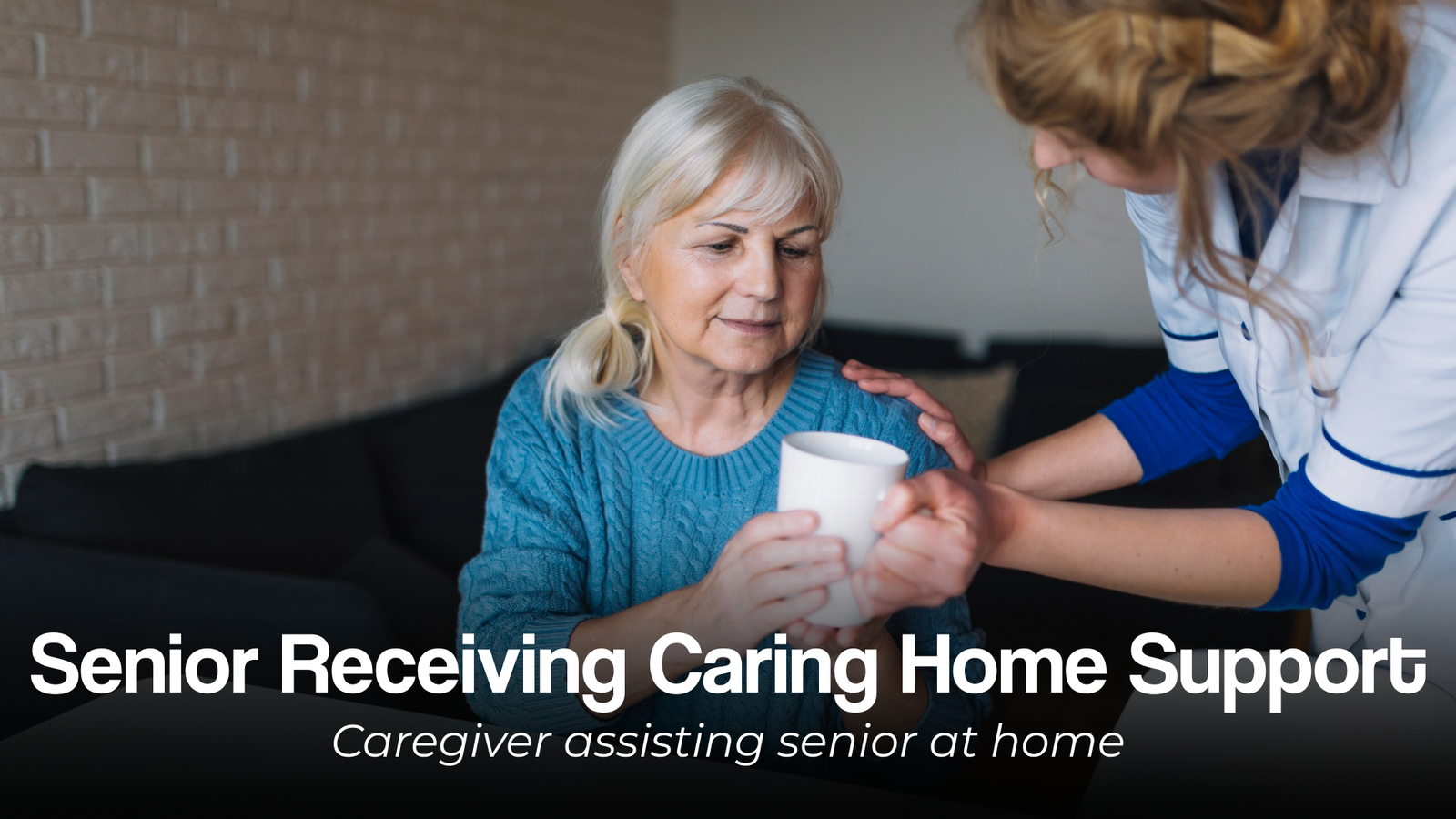
Even with the best home modifications, some tasks may still be difficult for aging parents. This is where Home Care Services in Illinois can make a meaningful difference. Professional caregivers provide personalized assistance with daily activities like bathing, dressing, meal preparation, medication reminders, and companionship.

For families seeking flexible, non-medical support, an In-Home Care Service in Illinois offers tailored care plans that adapt to your parent’s changing needs. Whether it’s a few hours a week or daily assistance, these services help seniors maintain their independence while giving family caregivers peace of mind.

If you’re covering costs out-of-pocket, Private Pay Home Care Illinois options allow you to choose the level of service that fits your budget and schedule without insurance restrictions. Many families find that combining home modifications with professional in-home care creates the safest, most comfortable environment for their aging loved ones.

Emotional Well-Being Matters Too

home care

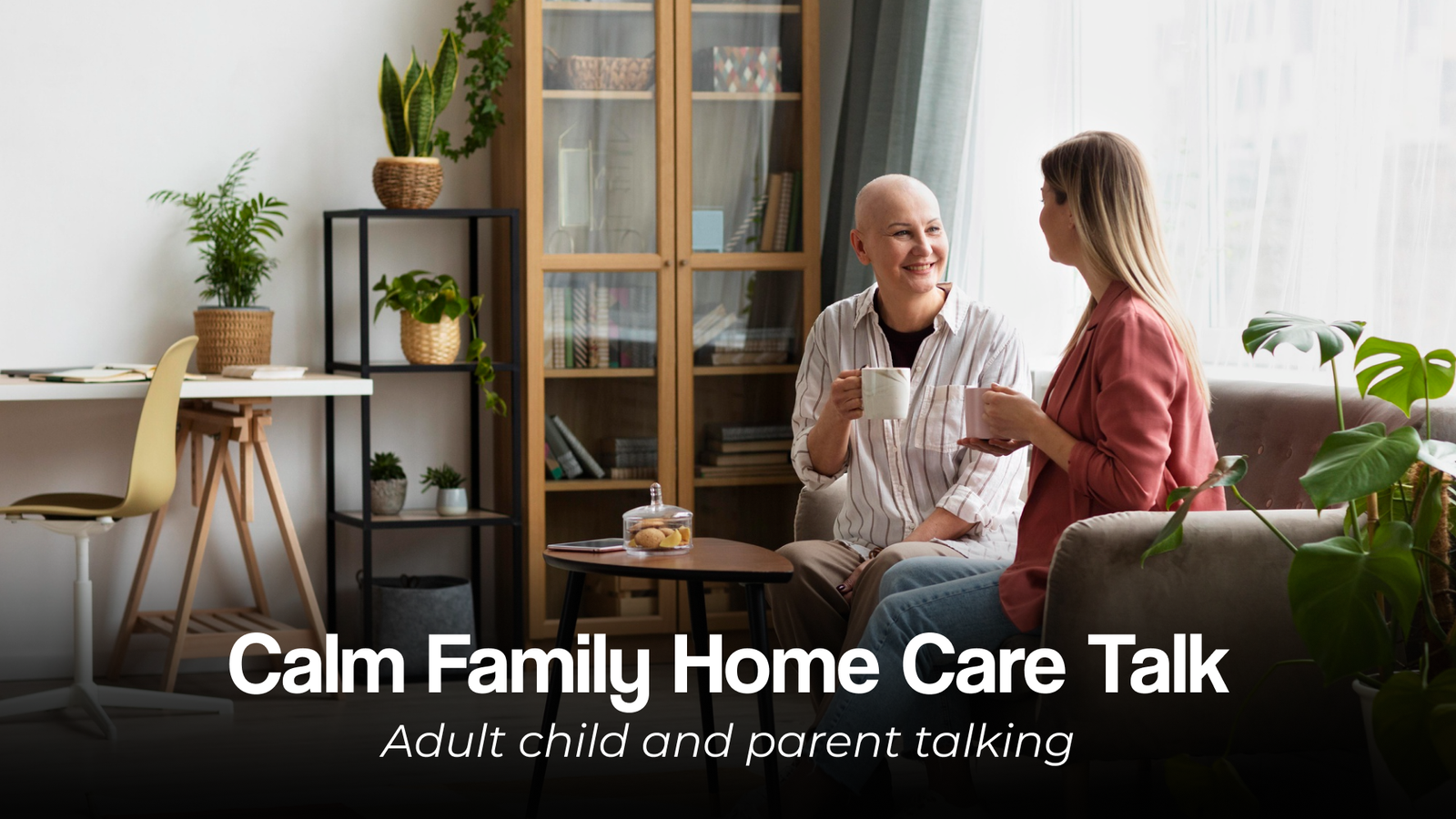
A safe home is also a welcoming one. Encourage your parent to keep beloved photos, artwork, and familiar furnishings that bring joy and comfort. Invite them to participate in decisions about changes to their space—this fosters a sense of control and reduces resistance to modifications. Regular visits, phone calls, and involvement in community activities also combat isolation and support mental health.


Conclusion

Creating a safe and comfortable home for aging parents is a labor of love. By addressing fall risks, improving accessibility, and bringing in professional support when needed, you help your loved ones continue living with dignity and independence. Start small, involve your parent in the process, and remember: you don’t have to do it all alone. With the right resources—including trusted Home Care Services in Illinois—you can build a home environment that supports both safety and happiness for years to come.

FAQs

1. What are the most important home modifications for aging parents?

Focus on fall prevention: install grab bars in bathrooms, improve lighting, remove loose rugs, and add handrails on stairs. These changes address the most common causes of home injuries.

Install grab bars near the toilet and shower, use non-slip mats, add a shower chair, and consider a raised toilet seat. Ensure good lighting and keep frequently used items within easy reach

If your parents struggle with daily tasks like bathing, dressing, cooking, or medication management—or if you’re feeling overwhelmed as a caregiver—it may be time to explore In-Home Care Service in Illinois options.

Most non-medical home care is Private Pay Home Care Illinois, meaning it’s paid out-of-pocket. However, some long-term care insurance policies or Medicaid waiver programs may offer partial coverage.

Approach the conversation with empathy and focus on safety and independence. Involve them in decisions, start with small changes, and frame modifications as ways to help them stay in their beloved home longer.

Tags :

Home Care

Share this :