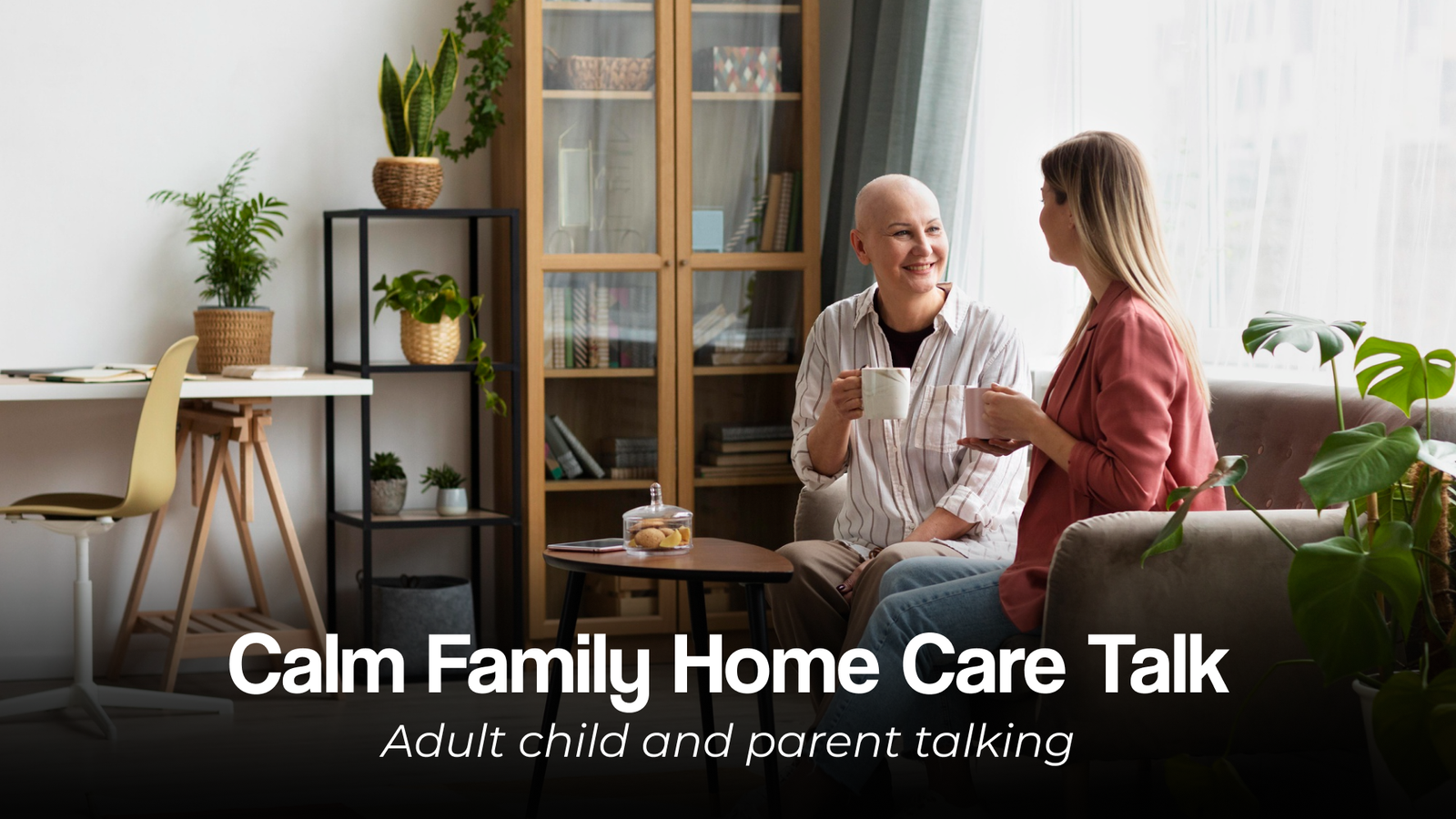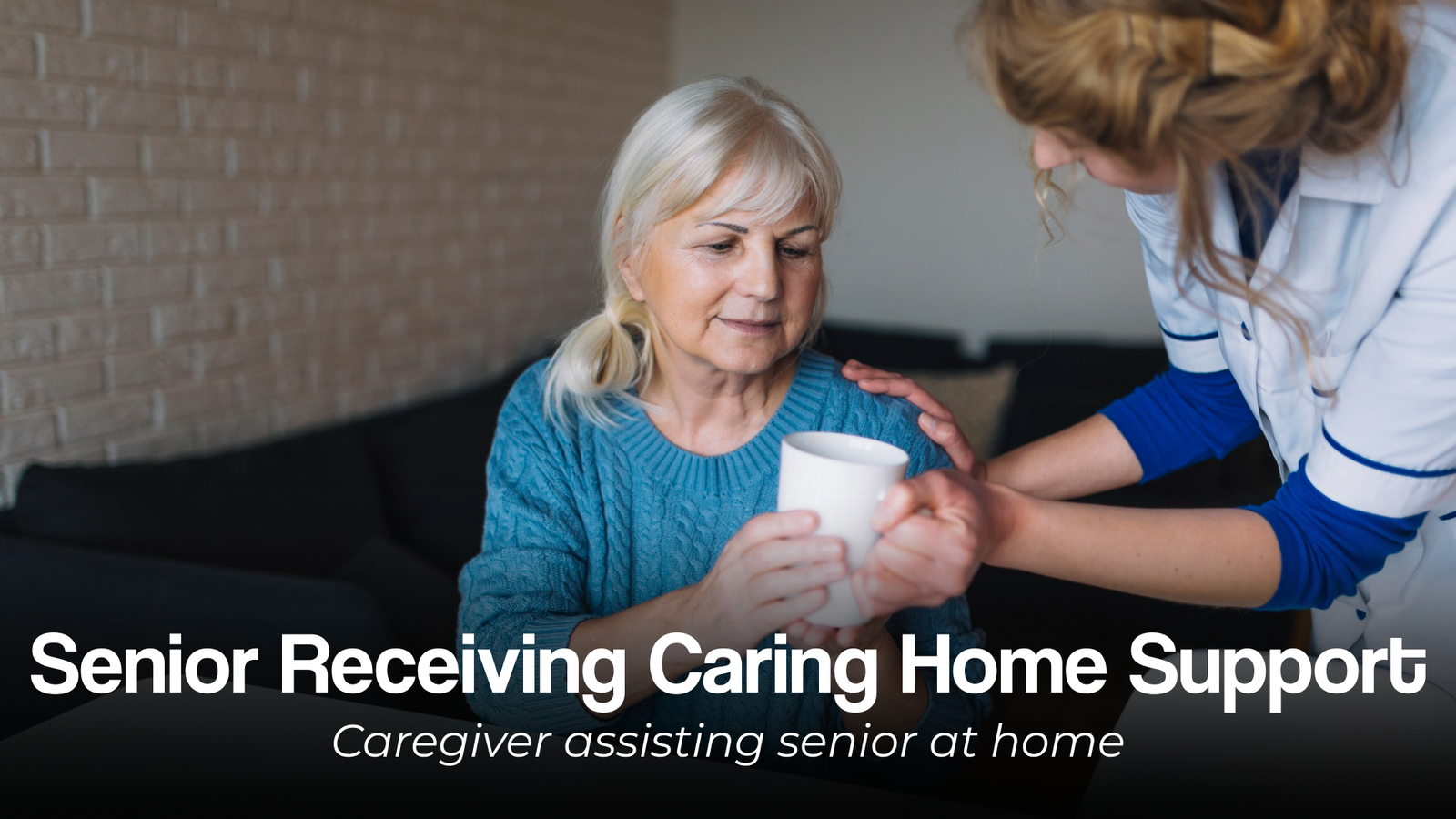


Most older adults want to age in place, and in-home care is one of the most effective ways to make that possible. By providing personalized support with daily tasks, safety, and companionship, professional caregivers help seniors maintain their routines, confidence, and autonomy—often delaying or avoiding a move to assisted living or a nursing home.
Independence isn’t about doing everything alone; it’s about having control over your daily life. For seniors, that usually means:
In-home care is designed to protect that sense of control while filling in the gaps where health, mobility, or energy levels have changed.

Activities of daily living—like bathing, dressing, grooming, toileting, and transferring from bed to chair—are core to independent living. When these become difficult, seniors often feel they “have to move” even if they’d rather stay home.
Professional caregivers provide:
Research shows that home care interventions focused on ADLs can improve a person’s ability to perform these tasks more independently over time.
Falls and home hazards are among the biggest threats to independence. In-home caregivers help by:
By making the home environment safer and providing steady physical support, caregivers reduce hospitalizations and the “crisis moves” that often end independence.

Missed doses, confusing pill schedules, and unmanaged symptoms can quickly erode independence. In-home caregivers help by:
This day-to-day oversight helps prevent complications, emergency room visits, and readmissions—key factors in keeping seniors stable enough to remain at home.
Proper nutrition is essential for strength, healing, and energy, yet many older adults skip meals or rely on low-quality options when cooking becomes hard. In-home care supports independence by:
Better nutrition translates into more energy for walking, socializing, and engaging in life—core parts of an independent lifestyle.
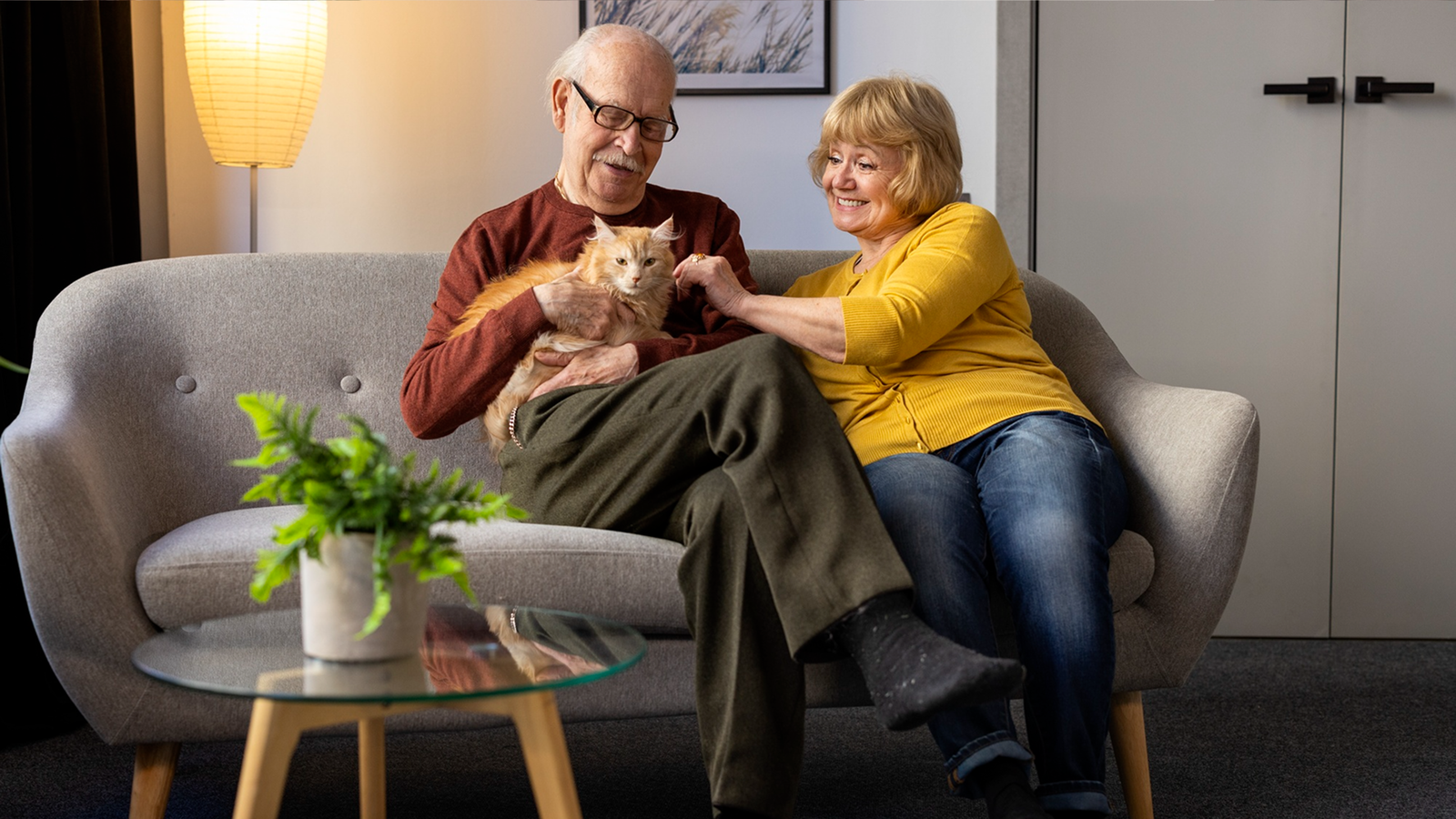
Loneliness and isolation can be as damaging to independence as physical limitations. Regular companionship from a caregiver:
Studies show that older adults receiving home-based support report better quality of life and stronger emotional well-being, which supports sustained independence.
Many seniors stay at home because a spouse or adult child is providing most of the care. Without breaks, these family caregivers burn out, and independence suddenly ends in a crisis placement.
In-home respite care:
In fact, a large majority of long-term home care users report it reduces daily stress for family caregivers and is seen as good value.

Unlike many facility models, in-home care can be adjusted hour-by-hour and task-by-task. Families can start with:
This flexibility means seniors don’t have to “over-move” to a higher level of care before they’re ready; support expands as their needs do, keeping them at home longer.
After hospital stays, surgery, or new diagnoses, seniors are at high risk of losing independence if recovery isn’t well supported. In-home caregivers help by:
Evidence suggests that patients discharged with home support show meaningful improvements in their ability to perform daily activities compared to those without such help.
After hospital stays, surgery, or new diagnoses, seniors are at high risk of losing independence if recovery isn’t well supported. In-home caregivers help by:
Evidence suggests that patients discharged with home support show meaningful improvements in their ability to perform daily activities compared to those without such help.
In-home care is one of the most practical, compassionate ways to help older adults age in place without sacrificing safety or dignity. By providing personalized support with daily activities, medication management, fall prevention, nutrition, and companionship, professional caregivers enable seniors to maintain their routines, make their own choices, and stay connected to the home and community they love.
In-home care is non-medical support provided in a senior’s own home to help with daily activities like bathing, dressing, meal prep, medication reminders, and companionship. It’s designed to help older adults live safely and comfortably at home for as long as possible.
In-home care focuses on help with daily living and companionship, while home health care includes skilled medical services like nursing, physical therapy, and wound care ordered by a doctor. Many families use both types of care together.
Yes. By providing consistent help with safety, medications, meals, and personal care, in-home care reduces falls, hospital visits, and caregiver burnout—key reasons seniors end up in assisted living or nursing homes.
It varies. Some seniors start with 4–8 hours per week for companionship and light housekeeping; others need daily visits or even 24/7 live-in care. A good agency will assess needs and adjust the plan over time.
Families often pay out of pocket, but long-term care insurance, veterans’ benefits, and some Medicaid programs may help cover costs. A care provider can explain options and help families plan financially.
Tags :