


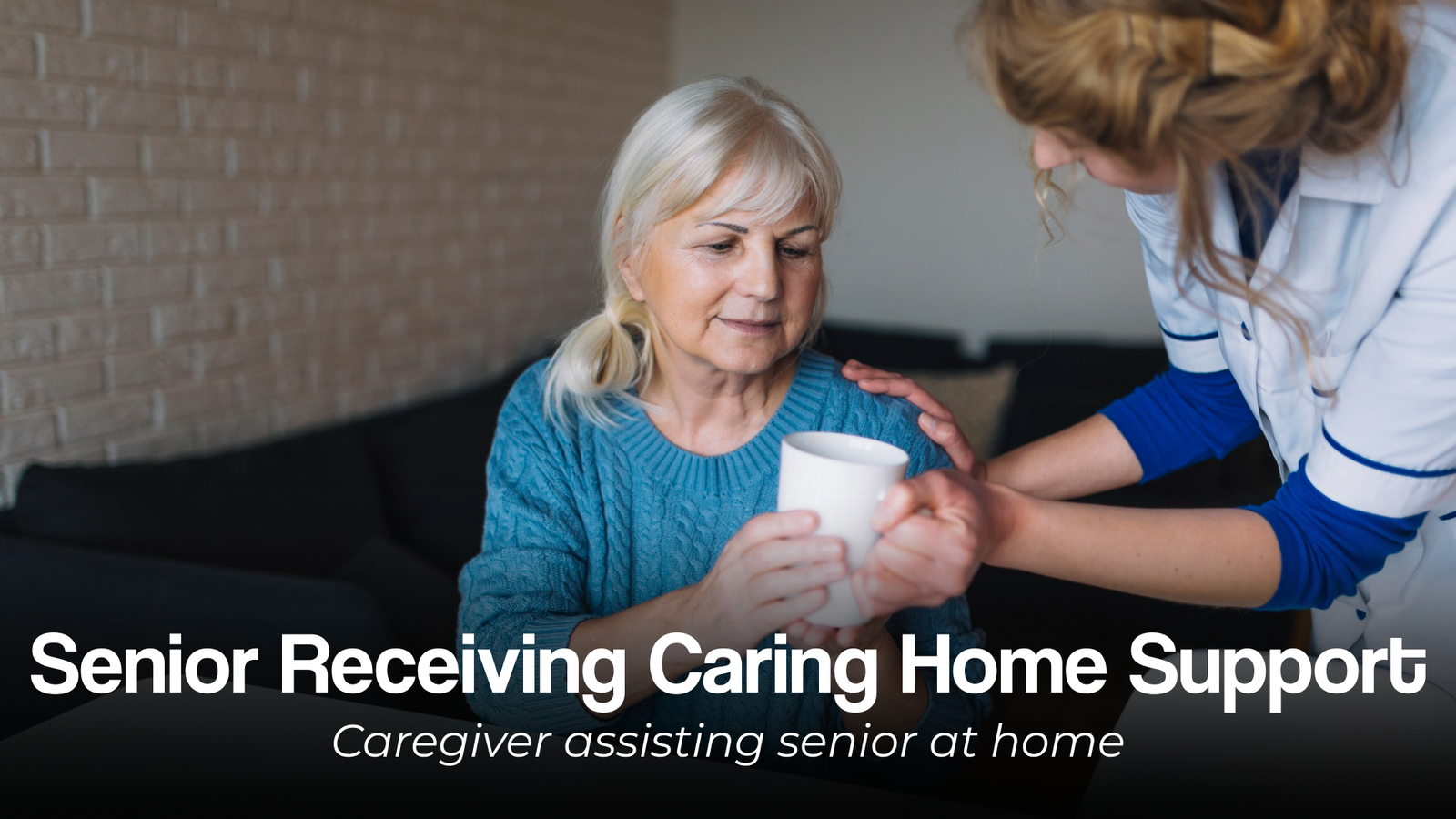
Growing older at home can provide comfort, familiarity, and a strong sense of independence. However, everyday activities such as bathing, dressing, grooming, preparing meals, and moving safely around the house may become more difficult over time. Personal care assistance gives seniors practical support while helping them remain in the place they know and love.
Personal care assistance is one part of professional home care. It focuses on activities of daily living and routine support rather than replacing a senior’s independence. A trained caregiver can provide the right level of help, encourage safe participation, and offer companionship throughout the day.
For families exploring Home Care Services in Illinois, personal care assistance can be an important way to support a loved one’s safety, comfort, and quality of life.

Personal care assistance includes non-medical support with everyday personal activities. Depending on an individual’s needs, a caregiver may assist with:
The exact services should be based on the senior’s abilities, preferences, and care goals. Some people may need only a few hours of support each week, while others may benefit from daily assistance.
Personal care is not about taking control away from a senior. It is about providing support where it is needed so the individual can continue participating in daily life as safely and confidently as possible.
Many seniors want to remain independent, but independence does not always mean doing everything alone. With appropriate assistance, an older adult may continue making decisions, following familiar routines, and enjoying life at home.
A caregiver can encourage a senior to complete the tasks they are still able to manage while helping with more challenging steps. For example, a senior may choose their clothing and put on a shirt independently, while the caregiver assists with buttons, shoes, or balance.
This type of supportive approach helps preserve dignity and confidence. It also allows care to change as needs develop. A senior who needs occasional help today may require more regular assistance later, while another person may regain abilities after an illness or injury.
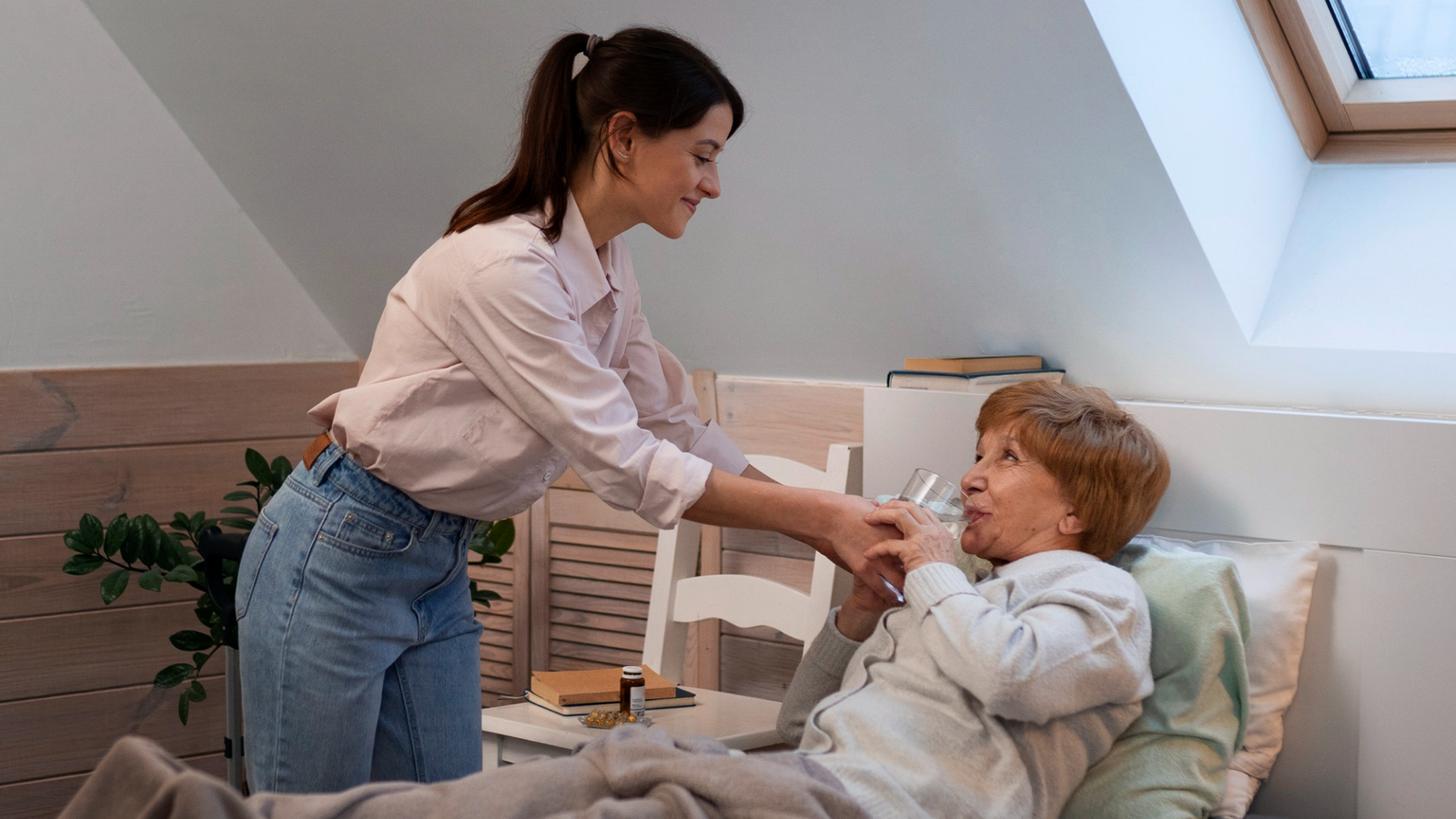
Bathing, dressing, grooming, and toileting can become challenging because of reduced strength, limited mobility, pain, memory changes, or fear of falling. These activities are also deeply personal, so respectful assistance matters.
A compassionate caregiver can help create a calm routine that protects privacy and encourages comfort. They may prepare the bathroom, organize clothing, ensure supplies are available, and provide hands-on support when necessary.
Good personal hygiene can contribute to physical comfort, self-esteem, and social engagement. When seniors feel clean, well-groomed, and appropriately dressed, they may feel more confident participating in family activities, appointments, and community events.
Falls are a major concern for older adults. Common hazards include loose rugs, cluttered walkways, poor lighting, uneven flooring, and slippery bathroom surfaces. A caregiver who assists with movement and daily routines may also notice potential safety risks.
Personal care assistance can support safer transfers, walking, bathing, and stair use. Caregivers may remind clients to use prescribed mobility equipment, keep frequently used items within reach, and move carefully between rooms.
Families should also consider broader home-safety improvements. The CDC recommends removing tripping hazards, adding grab bars near tubs and toilets, improving lighting, and installing railings on both sides of stairs.
Personal care assistance does not eliminate every risk, but consistent support can help seniors follow safer routines and reduce avoidable hazards.

Preparing meals may become difficult when a senior has limited mobility, reduced vision, fatigue, or difficulty standing for long periods. Personal care services may include meal preparation or support with eating, depending on the individual’s care plan.
A caregiver can help plan simple meals, prepare ingredients, set the table, and clean up afterward. They may also encourage regular hydration and help a senior follow dietary instructions provided by a healthcare professional.
Nutrition needs vary from person to person. Caregivers should follow the family’s instructions and the recommendations of qualified medical professionals, especially when a senior has diabetes, food allergies, swallowing difficulties, or other health concerns.
Regular meals can support energy and daily routines. Mealtimes may also provide opportunities for conversation and companionship rather than becoming another difficult task.
Personal care assistance often includes a human connection that benefits emotional well-being. Seniors who live alone may experience loneliness, especially after retirement, the loss of a spouse, reduced mobility, or changes in their social network.
A caregiver can talk with a senior, read together, play a favorite game, help with hobbies, or accompany the person on a walk when appropriate. These simple interactions can bring structure and enjoyment to the day.
Companionship also helps caregivers notice changes in mood, appetite, energy, or behavior. While caregivers do not diagnose medical conditions, they can share observations with family members according to the agreed communication plan.

Family members often want to help but may be balancing employment, children, household responsibilities, and long-distance caregiving. Personal care assistance can provide practical relief without removing the family’s role.
A professional caregiver may handle regular routines while family members focus on emotional connection, appointments, care planning, and meaningful time together. Scheduled support can also give family caregivers time to rest and attend to their own health.
For some households, Private Pay Home Care Illinois may be an option when families want flexible scheduling or services that are not covered by a particular program. Costs and coverage vary, so families should ask providers for clear information about rates, minimum hours, scheduling, and included services.
Illinois also offers publicly supported options for eligible older adults. The Illinois Department on Aging explains that its Community Care Program helps qualifying adults age 60 and older remain independent through in-home and community-based services.
Before arranging personal care assistance, families should consider the senior’s daily routine and current challenges. Useful questions include:
A reputable provider should discuss the senior’s needs, explain available services, and develop a care plan that can be reviewed over time. Families should also confirm that the agency is properly licensed and that caregivers receive appropriate screening and training.
The Illinois Department of Aging notes that Illinois home services agencies are licensed by the Illinois Department of Public Health and may provide assistance with activities of daily living and personal care.
Personal care assistance helps seniors remain comfortable, supported, and engaged at home. By assisting with hygiene, dressing, mobility, meals, and daily routines, caregivers can promote independence while helping families manage the responsibilities of aging.
Whether your family is researching an In-Home Care Service in Illinois for occasional support or considering Private Pay Home Care Illinois for a flexible schedule, the right care plan should reflect the senior’s preferences and changing needs. Compassionate, personalized assistance can make home a safer and more enjoyable place to age.
Personal care assistance may include help with bathing, dressing, grooming, toileting, mobility, eating, meal preparation, and medication reminders, depending on the client’s care plan.
Yes. A caregiver can assist with difficult tasks while encouraging the senior to continue doing the activities they can safely manage. This supports confidence and dignity.
Usually, personal care assistance is non-medical support. Skilled nursing and medical services require appropriately licensed healthcare professionals.
Rates vary according to the provider, location, schedule, services, and level of care. Families should request a written quote that explains hourly rates, minimum hours, and additional fees.
Ask about licensing, caregiver screening, training, supervision, availability, care planning, communication, pricing, and how the agency handles changes in a client’s needs.
Tags :
2 Responses