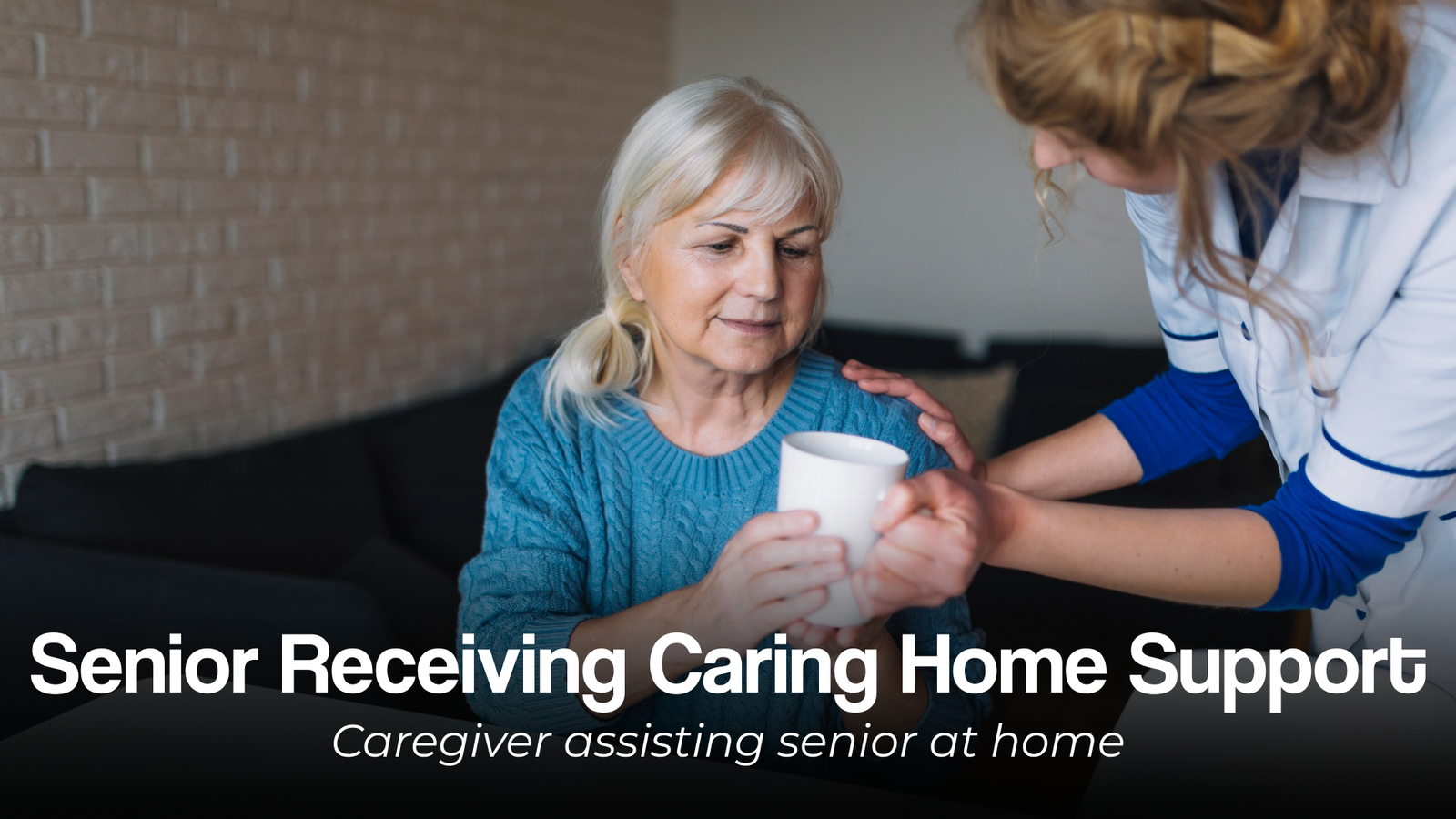
Bringing up home care with a parent can feel like walking on eggshells. With the right approach, you can protect their dignity, reduce resistance, and move toward a plan that keeps them safe at home.
Why does this conversation feel so hard?
Most resistance isn’t stubbornness—it’s fear. Parents often worry about losing independence, privacy, or control over their own home and money. That’s why “You need help” shuts people down, while “I want you to stay at home safely” opens the door.
Choose the right time and place
- Pick a calm, unhurried moment—not right after a fall, argument, or hospital visit.
- Sit in a familiar, comfortable spot (their living room, over tea), ideally one‑on‑one or with one trusted family member.
- Plan for more than one talk; this is a series of conversations, not a single big announcement.
Lead with love, not a list of problems
Start with your feelings and specific observations, not a diagnosis of everything they’re doing “wrong.”
Try openers like:
- “I’ve been worried since you mentioned the stairs feel tricky now.”
- “I love how independent you are. I’m wondering if a little help could make it easier to stay that way.”
- “When I’m not here, I worry about you managing the house and appointments. Can we talk about options?”
Use “I” statements instead of “you” accusations:
- “I feel nervous when I think about you carrying heavy groceries,” not “You can’t handle the groceries anymore.”
Focus on independence, not limitations
Frame home care as a tool to protect what matters most: staying in their home, keeping routines, and doing the things they love.
Examples:
- “Having someone help with cleaning and errands could mean you have more energy for your garden.”
- “A caregiver a few hours a week might be exactly what lets you keep living here comfortably.”
Start small and concrete
Big, vague ideas like “full-time care” trigger fear. Start with one clear task and a short trial.
- Suggest help with meals, light housekeeping, laundry, or rides to appointments before discussing personal care.
- Propose a trial: “What if we try someone twice a week for a month and then decide together how it feels?
- Emphasize choice: they can meet the caregiver, set the schedule, and say what tasks matter most.
Ask questions and listen more than you talk
Let them share fears and preferences before you present solutions.
Helpful questions:
- “What part of having someone come in worries you the most?
- “What would make this feel okay for you?
- “If we could design this together, what would you want it to look like?
Listen without arguing in the moment. You don’t have to solve everything in one sitting.
Involve other trusted voices when needed
Sometimes a parent hears things differently from someone who isn’t their child.
- A sibling, close friend, faith leader, or their doctor can reinforce safety concerns in a neutral way.
- If you live far away, mention your distance honestly: “Because I’m not here every day, I’d feel better knowing someone checks in.
Talk about costs early, but gently
Money is often a hidden worry. Normalize that many families use private pay home care and that services can be scaled to fit a budget.
A simple script you can adapt
“Mom/Dad, I love how independent you are, and I really want you to stay in your home as long as it feels good and safe. I’ve noticed [specific example: the stairs, missed meds, heavy chores], and it’s been making me worried.
I was thinking we could try a little help—maybe someone a couple of times a week to handle [meals/cleaning/rides] so you don’t have to do it all. That way, you can focus on the things you enjoy.
What worries you most about having someone come in? If we designed this together, what would feel okay to you?”
You don’t need perfect words—just honesty, patience, and respect.
When to bring in professional guidance?
If conversations keep ending in arguments or your parent refuses help despite clear safety risks, consider:
- A family meeting with a care manager, social worker, or geriatric specialist.
- A neutral “home safety assessment” framed as information-gathering, not a verdict.
- Starting with very low‑intrusion supports (meal delivery, cleaning service, transportation) to build comfort before introducing a caregiver.
For families in Illinois, speaking with a local agency about Home Care Services in Illinois or an In-Home Care Service in Illinois can also give you concrete options and costs to discuss, rather than abstract fears.