At Happy Hearts Home Care, we believe that exceptional home care starts with exceptional people—and even better training. Families trust us with their most vulnerable loved ones, and that trust is earned through rigorous preparation, ongoing education, and a culture that values compassion as much as clinical skill. In this post, we’ll walk you through exactly how we train our caregivers to deliver safe, kind, and skilled care every single day.
Our Hiring Philosophy: Compassion First, Skills Second
Before any training begins, we start with the right people. While technical skills can be taught, empathy, patience, and integrity are qualities we look for from the very first interview. Our hiring process includes:
Only candidates who demonstrate genuine warmth and a service-oriented mindset move forward to our training program.
Phase 1: Foundational Training – Safety, Compliance, and Core Skills
Once hired, every caregiver enters our comprehensive onboarding program. This phase ensures they understand not just what to do, but why it matters.
Safety Protocols and Emergency Preparedness
Caregivers learn how to recognize fall risks, prevent infections, and respond to medical emergencies. They’re trained in:
- Proper body mechanics to avoid injury (for both caregiver and client)
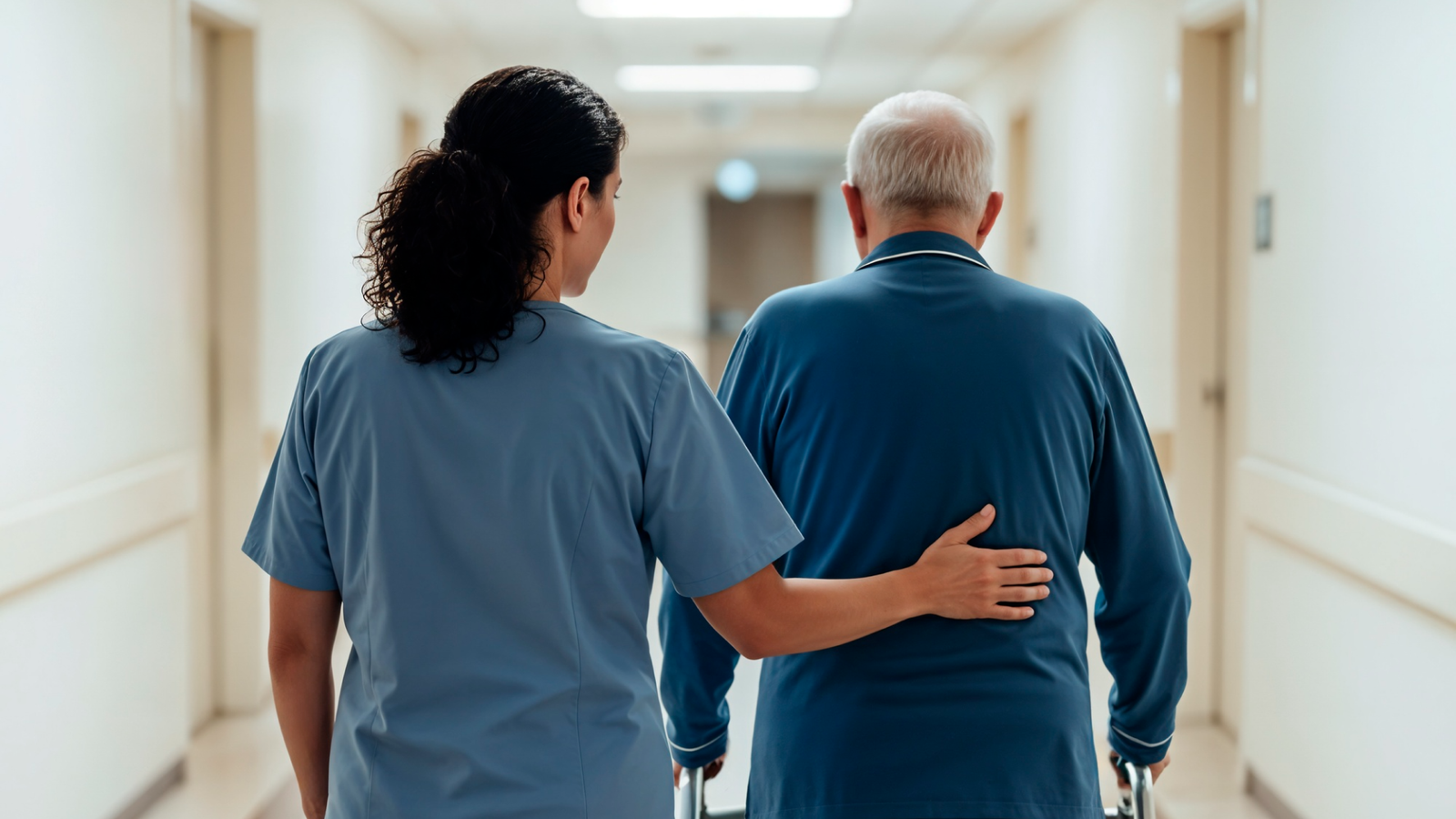
- Safe transfer techniques using gait belts, wheelchairs, and lifts
- Basic first aid and CPR certification (required for all staff)
Regulatory Compliance in Illinois
Because we provide Home Care Services in Illinois, our team must stay current with state licensing requirements, infection control standards, and reporting protocols. Caregivers complete modules on:
- HIPAA privacy rules
- Mandated reporter responsibilities
- Documentation best practices
Core Care Skills
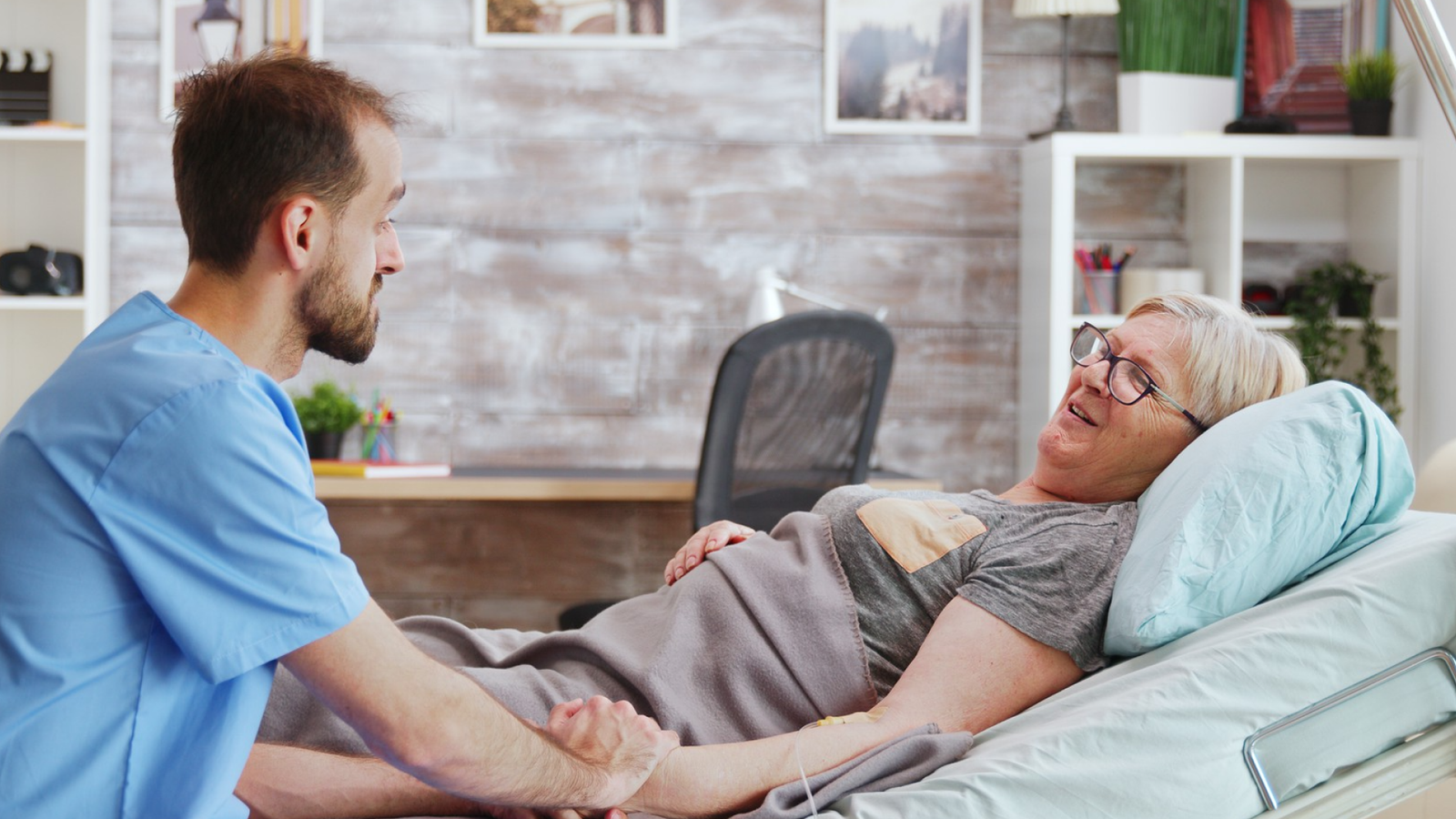
From personal hygiene assistance to medication reminders, caregivers practice hands-on skills under supervision. Role-playing scenarios help them build confidence before ever stepping into a client’s home.
Phase 2: Specialized Training – Tailored to Client Needs
No two clients are alike. That’s why we don’t stop at basics. Our second training phase focuses on specialization based on the types of care we commonly provide across Illinois.
Dementia and Alzheimer’s Care
Caregivers learn communication strategies that reduce agitation, techniques to manage repetitive behaviors, and ways to create calming routines. They also study the progression of cognitive decline so they can adapt care as needs change.
Post-Surgical and Chronic Condition Support
For clients recovering from surgery or managing conditions like diabetes, heart disease, or Parkinson’s, caregivers receive targeted instruction on:
- Monitoring vital signs and symptoms
- Assisting with prescribed exercises or mobility routines
- Recognizing warning signs that require nurse or physician intervention
Companion Care and Emotional Wellness
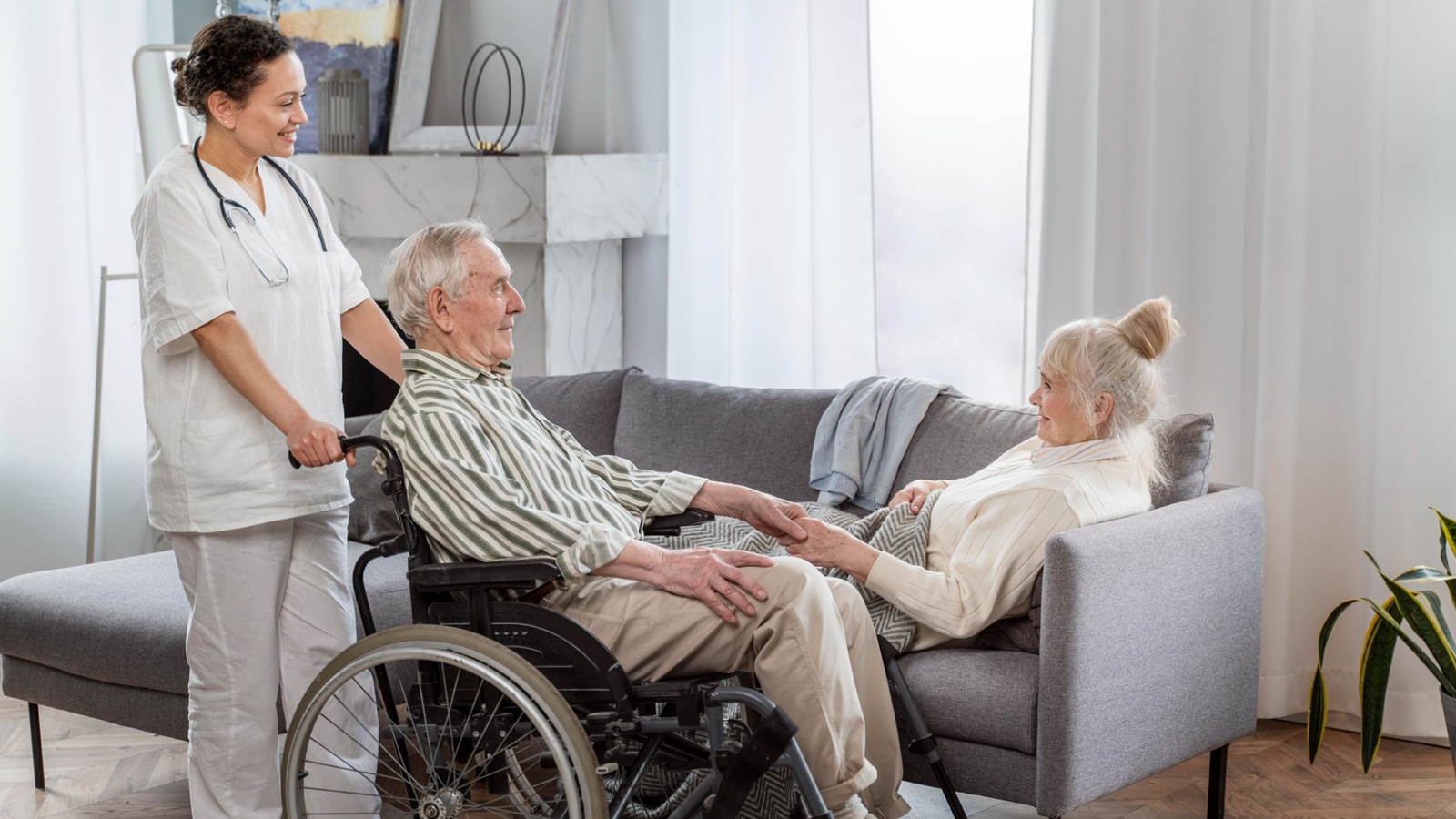
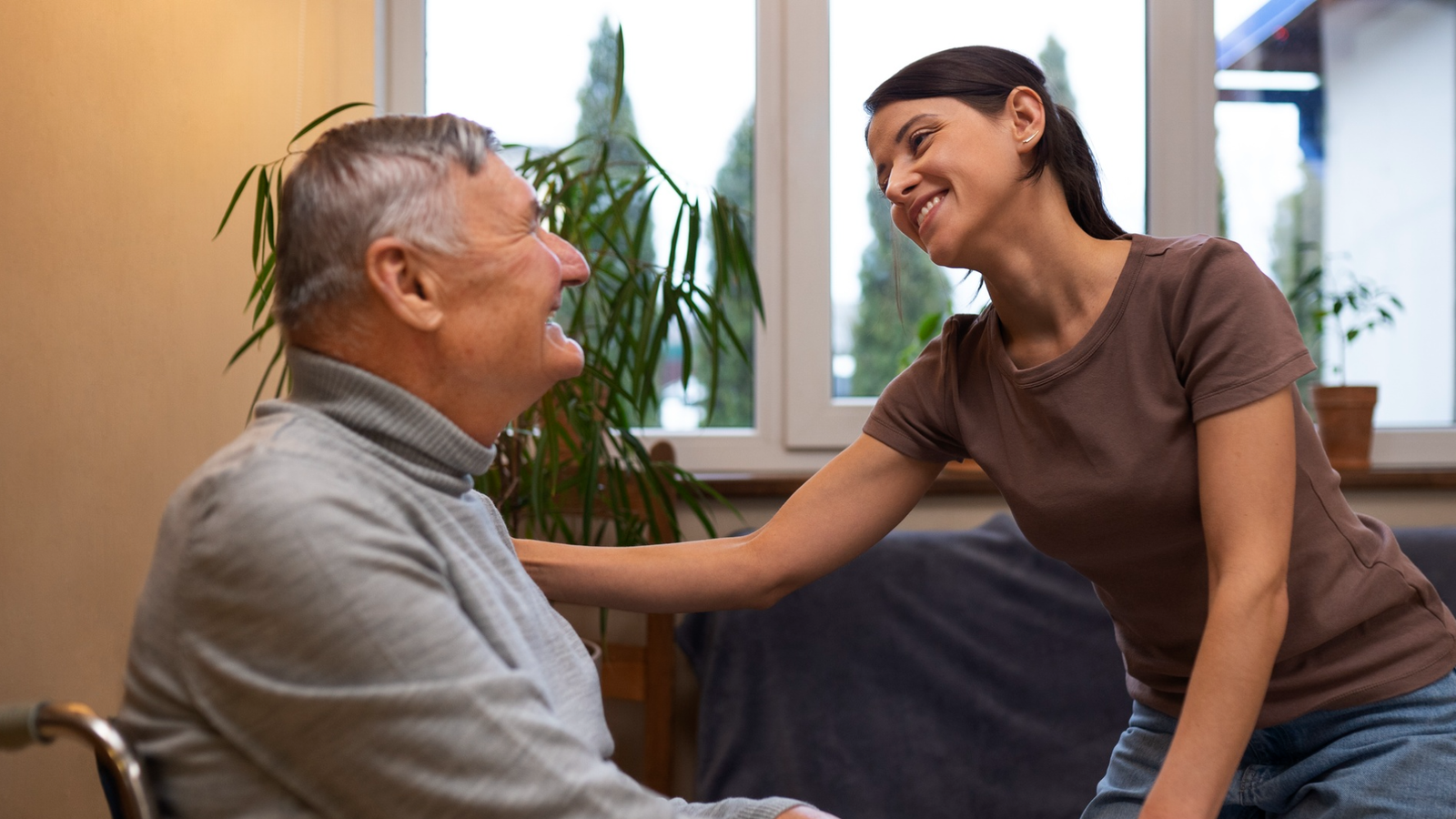
Loneliness is a silent epidemic among seniors. Our caregivers are trained to be more than helpers—they’re companions. They learn active listening, conversation starters, and how to engage clients in meaningful activities that boost mood and mental sharpness.
Phase 3: Real-World Simulation and Mentorship
Classroom learning is essential, but nothing replaces real experience. Before working independently, every caregiver completes:
- Supervised home visits with a senior trainer
- Shadowing opportunities alongside experienced staff
- Scenario-based assessments where they must problem-solve unexpected situations (e.g., a client refuses medication, or a family member becomes upset)
During this phase, trainers observe not just task completion, but how the caregiver interacts—with warmth, respect, and professionalism.
Ongoing Education: Because Learning Never Stops
The healthcare landscape evolves, and so do we. All caregivers participate in:
- Monthly continuing education workshops (in-person or virtual)
- Quarterly skill refreshers on high-risk tasks like transfers or medication management
- Annual recertification in CPR, first aid, and infection control
We also encourage feedback from clients and families. If a caregiver receives praise—or a suggestion for improvement—we use it as a teaching moment to grow stronger as a team.
The Happy Hearts Difference: Kindness as a Skill
Here’s what sets us apart: we treat kindness as a trainable skill, not just a personality trait. Our caregivers learn:
- How to greet clients with genuine warmth, even on tough days
- Ways to honor cultural preferences and personal routines
- Techniques to de-escalate frustration with patience, not pressure
This human-centered approach is why families choose our In-Home Care Service in Illinois again and again. They don’t just get help with daily tasks—they get a partner who treats their loved one like family.
Private Pay Flexibility, Professional Standards
As a Private Pay Home Care Illinois provider, we offer flexible scheduling and personalized care plans without insurance restrictions. But flexibility never comes at the cost of quality. Every caregiver, whether working 10 hours or 40, meets the same high training standards.
Families appreciate the transparency: no hidden fees, no surprise cancellations, and no compromise on care quality. Our private-pay model allows us to invest more in training, retain top talent, and deliver consistent, reliable service.
Real Stories, Real Impact
One recent example: Mrs. Gupta, an 82-year-old in Chicago, was struggling with isolation after her husband passed. Her daughter hired us for companion care three times a week. Within a month, Mrs. Gupta was smiling again—joining video calls with grandchildren, tending to her garden, and even starting a book club with neighbors. Her caregiver didn’t just “show up.” She listened, adapted, and brought joy back into Mrs. Gupta’s days.