

Info HHC
Aging brings changes that can make everyday tasks harder, but it does not have to mean giving up independence. Home care gives older adults the support they need while allowing them to stay in the place they know best: their own home.
For many seniors, independence is about more than living alone. It means making choices, keeping routines, staying connected, and feeling confident in daily life. Home care helps protect that sense of control by offering assistance that is flexible, respectful, and centered on the person’s needs.
Independence in later life does not always mean doing everything alone. In fact, many seniors remain independent by getting the right kind of support at the right time. A little help with bathing, meals, transportation, or medication reminders can make it possible to continue living safely at home.
As physical strength changes, seniors may begin to struggle with tasks that once felt simple. They may move more slowly, get tired more easily, or worry about falling. These changes can affect confidence and lead to frustration. Home care steps in before those challenges become larger problems, helping seniors keep their routines while reducing risk.
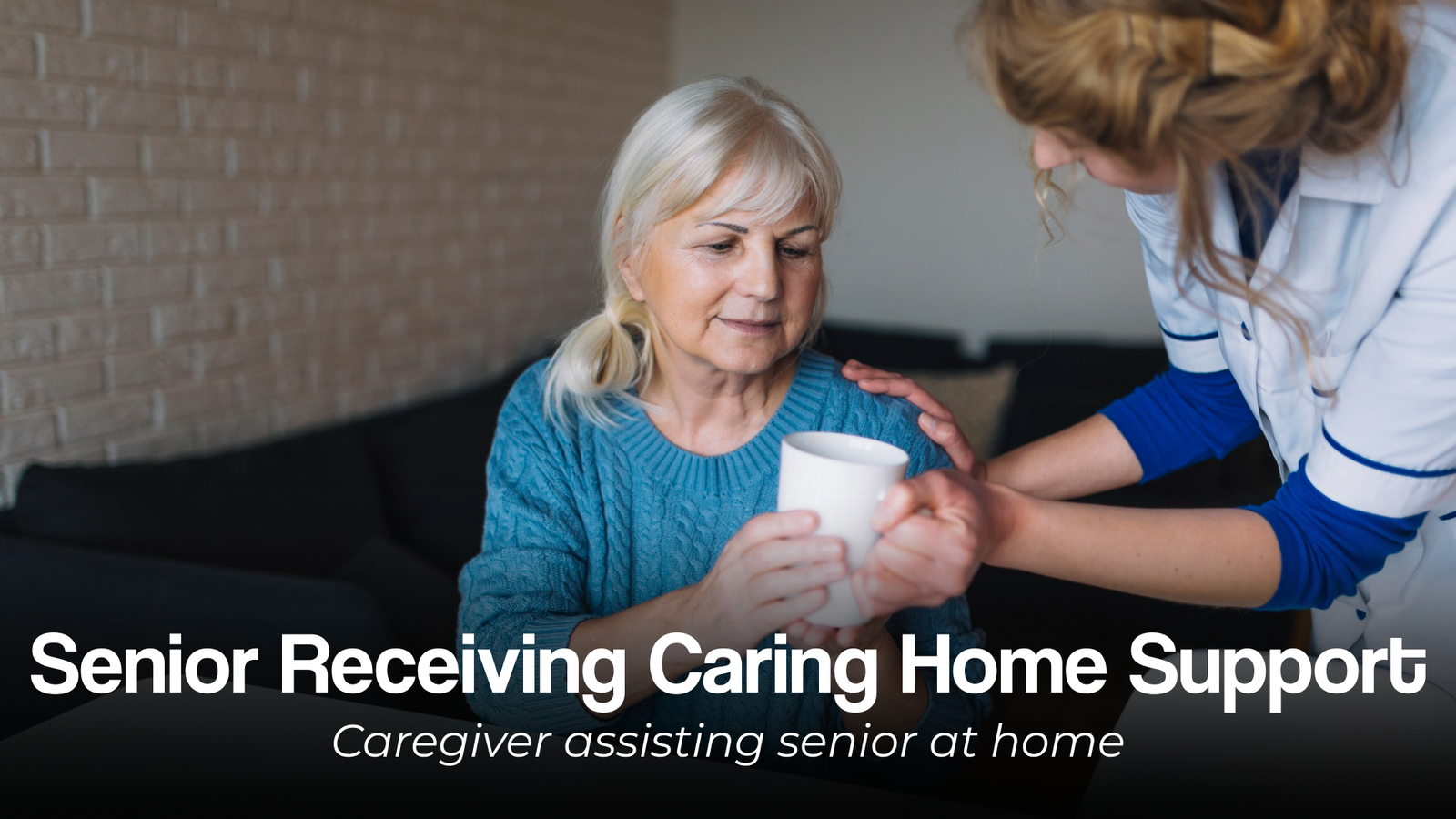
One of the biggest ways home care helps seniors stay independent longer is by assisting with activities of daily living. These are the routine tasks that make home life manageable and comfortable.
Home care can help with:

This kind of help does not take away independence. It supports it. When a senior no longer has to worry about whether they can safely prepare a meal or get to the doctor, they have more energy for the parts of life they enjoy.
“At the Nursey of our private nursing and home care business is a commitment to redefining healthcare. We believe that healing is more than just treating the body it’s about nurturing the spirit, comforting the soul, and empowering individuals to reclaim their lives. Our mission is to bring personalized care and compassion into the homes of those we serve, ensuring that every step of their journey is marked by dignity, respect, and exceptional expertise.”

CEO Nursey
A safe home is essential for independent living. Falls, missed medications, poor nutrition, and isolation can quickly affect a senior’s health and confidence. Home care helps reduce these risks by adding an extra layer of support.
Caregivers can notice changes that family members might miss, such as trouble walking, confusion about medications, or signs of weakness. They can also help maintain a clean, clutter-free environment that lowers the chance of accidents. Small changes like clearing walkways, reminding someone to use assistive devices, or helping with proper lighting can make a major difference.
When seniors feel safer, they are more likely to continue living in their homes with confidence.
Many older adults want to remain independent, but fear of falling, forgetting something important, or needing help can create stress. Home care helps replace that stress with reassurance. Knowing that someone is there to help can make everyday life feel more manageable.
That confidence often leads to better outcomes. Seniors may be more willing to move around their home, keep their appointments, eat well, and stay active when they feel supported. In this way, home care does more than complete tasks. It helps preserve dignity and self-esteem.
A supportive caregiver can also encourage seniors to keep doing what they still can on their own. This balance is important. The goal is not to take over, but to assist only where needed.
Loneliness can affect both emotional and physical health. When seniors live alone, they may go long periods without meaningful conversation or social interaction. That isolation can lead to sadness, lack of motivation, or even a decline in memory and overall well-being.
Companion care is an important part of home care because it brings human connection into daily life. A caregiver can offer conversation, engage in hobbies, play games, go for walks, or simply be present. These small moments can improve mood and give seniors something to look forward to each day.
When people feel connected, they often stay more active and engaged. That can help them maintain independence for a longer period.
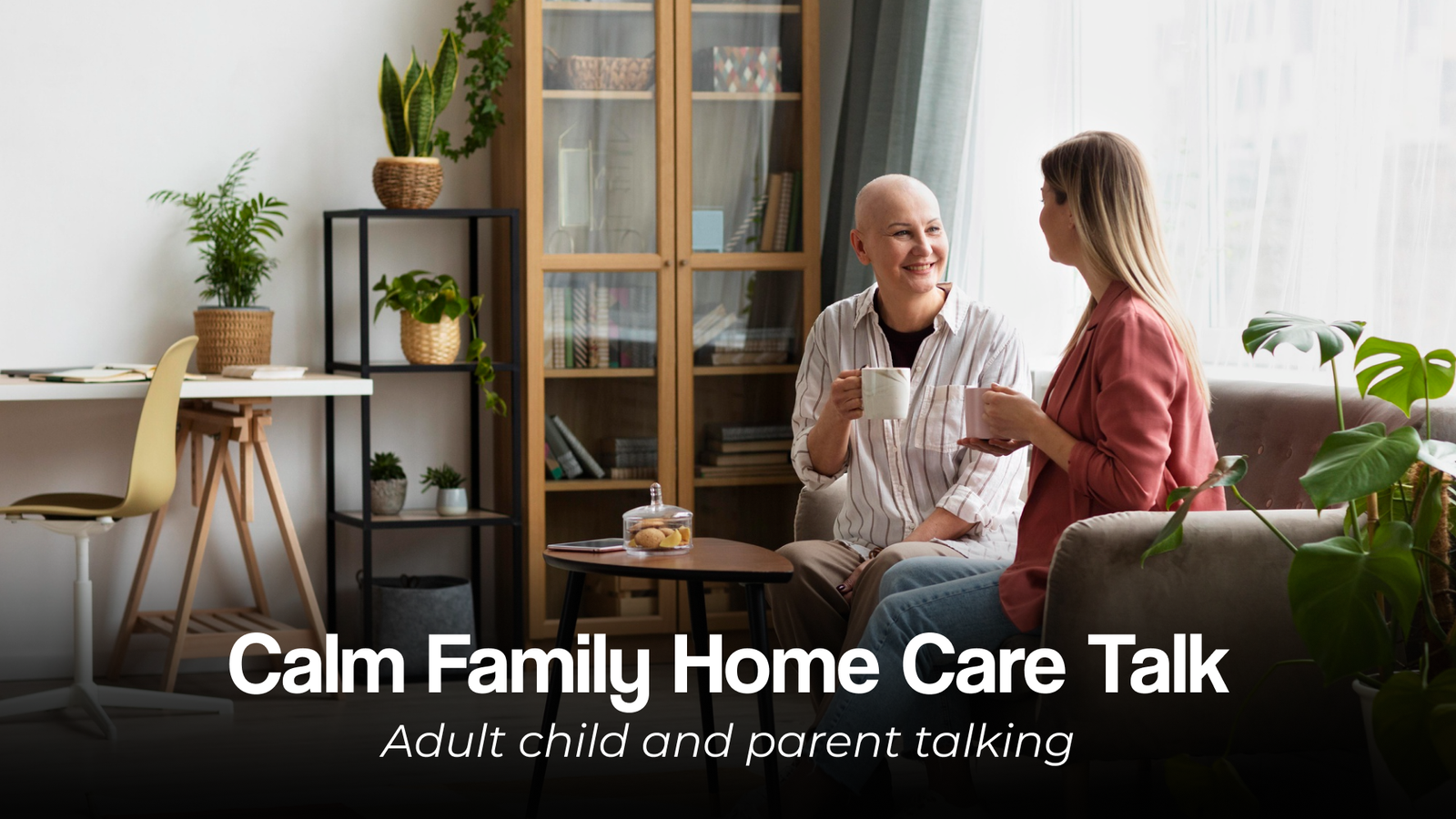
Families often want to help aging parents or loved ones, but balancing that care with work, children, and personal responsibilities can be difficult. Home care gives families peace of mind while making sure seniors continue receiving consistent support.
Instead of family members having to manage every task, they can focus on quality time and emotional connection. This can improve relationships and reduce stress for everyone involved. It also lowers the chance that a senior will need a sudden move to a more structured environment because support was delayed too long.
By sharing responsibility, home care helps create a sustainable plan for aging at home.
Every senior has different needs, habits, and preferences. Some need help a few hours a week, while others need more regular support. One of the greatest strengths of home care is that it can be tailored to fit the individual.
A personalized care plan may include help with morning routines, meal prep, medication reminders, bathing, or companionship. It can also be adjusted over time as needs change. This flexibility allows Senior home care to keep control over their daily life instead of following a rigid schedule that does not fit their situation.
Personalized care also respects routines and preferences. A caregiver can learn how a senior likes their tea, what time they prefer to shower, or which activities make them feel calm and comfortable. These details matter because they help preserve a familiar and independent lifestyle.
Most seniors prefer to stay in their own homes for as long as possible. Home is full of memories, routines, favorite furniture, and a sense of belonging. Moving to a new setting can be emotionally difficult, especially when it happens before a person feels ready.
Home care supports aging in place by making the home environment workable as needs evolve. It helps seniors remain where they are most comfortable, while still receiving the practical help they need. That combination of familiarity and support is often the best recipe for maintaining independence.
Aging in place also gives seniors more control over daily decisions, from what they eat to when they rest. That control can have a powerful effect on quality of life.
Many families wait until there is a serious issue before exploring home care. But early support is often more effective. Getting help sooner can prevent falls, reduce hospital visits, improve medication habits, and catch small concerns before they become major ones.
This does not mean a senior needs constant care right away. Even modest support can make a big difference. A few hours of help each week may be enough to keep someone safe, organized, and confident at home.
When home care begins early, it can extend independence instead of responding only after independence has already started to decline.
Staying independent longer does not mean refusing help. It means accepting the right help at the right time so daily life remains safe, comfortable, and meaningful. Home care gives seniors that support while honoring their routines, preferences, and dignity.
With help at home, seniors can continue living where they feel most secure, keep doing the things they enjoy, and stay connected to the people around them. That is why home care is not just about assistance. It is about preserving freedom, confidence, and quality of life for as long as possible.
Home care is not about replacing independence—it is about strengthening it. By providing the right level of support at the right time, it allows seniors to continue living safely, confidently, and comfortably in their own homes. With personalized care, meaningful companionship, and a focus on dignity, home care empowers older adults to maintain control over their lives while reducing risks and easing daily challenges. In the end, it offers a balanced approach where support and independence go hand in hand, helping seniors age with confidence, purpose, and peace of mind.
Home care is a service that provides professional support to seniors in their own homes, helping with daily activities like personal care, meal preparation, medication reminders, and companionship while allowing them to maintain independence.
Home care supports independence by assisting only where needed, enabling seniors to continue their routines, make their own choices, and live safely without relying entirely on others or moving to assisted living.
Home care services often include bathing, dressing, grooming, meal preparation, light housekeeping, transportation, medication reminders, and companionship, depending on individual needs.
Families should consider home care when a senior begins to struggle with daily tasks, experiences mobility issues, forgets medications, or feels isolated. Starting early can prevent bigger health and safety concerns.
Home care can be a better option for many seniors because it allows them to stay in a familiar environment while receiving personalized support, which can improve comfort, emotional well-being, and overall quality of life.
Tags :