Best Home Care Tips for Seniors Living at Home
Aging at home can be comforting, familiar, and empowering for seniors when the right support is in place. The key is to build daily routines, safety habits, and care systems that help older adults stay independent while reducing stress for the family.
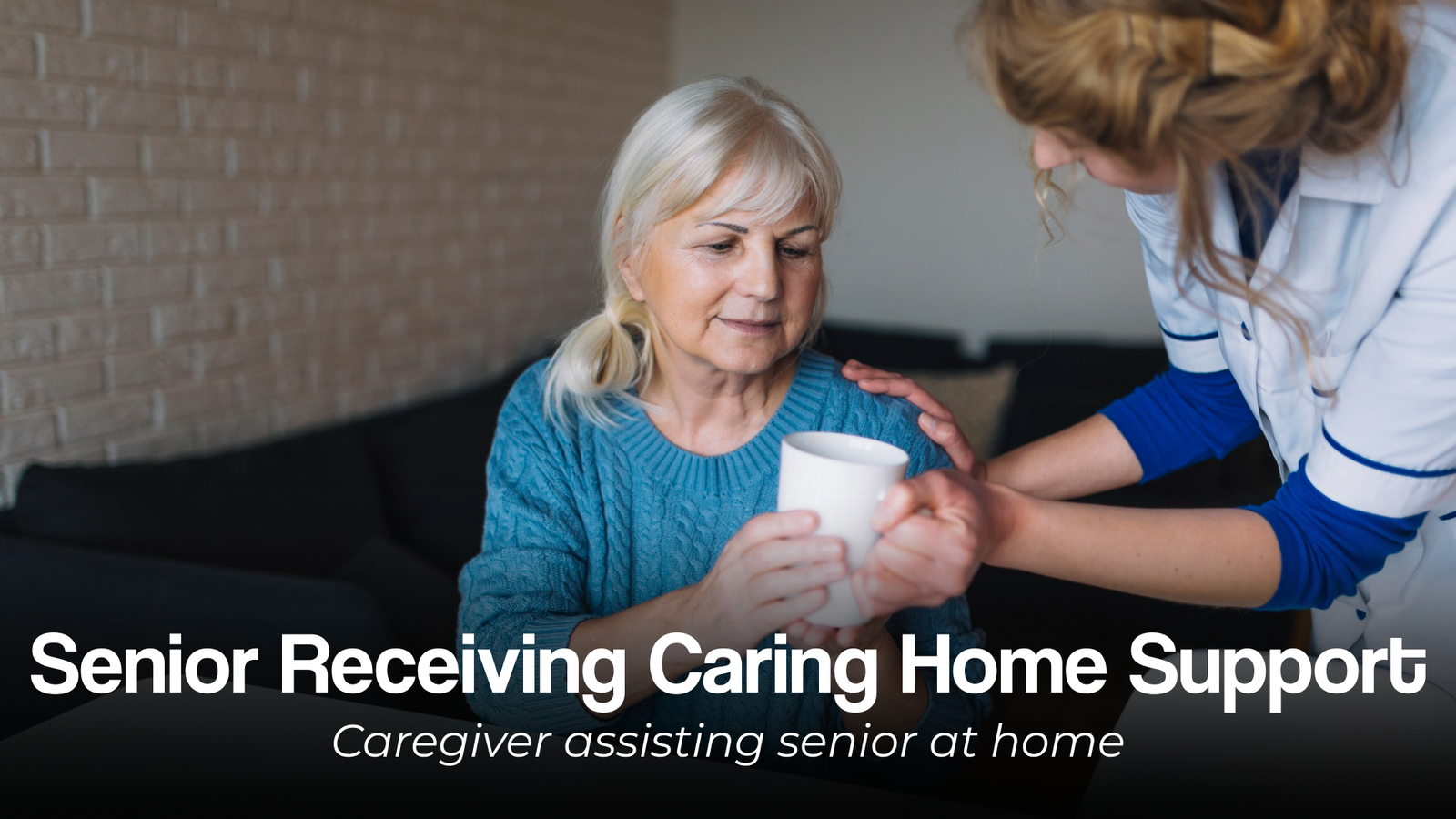
For many families, the right support may include an In-Home Care Service in Illinois that offers help with everyday tasks, companionship, and personal care. In some situations, Private Pay Home Care Illinois can also give families more flexibility in choosing the level and schedule of care that works best.
1. Focus on home safety first
Safety should always come before convenience. A senior’s home should be checked for fall risks, poor lighting, loose rugs, cluttered walkways, and hard-to-reach items.
Simple updates can make a big difference:
- Add grab bars in bathrooms.
- Improve lighting in hallways and stairways.
- Use non-slip mats in high-traffic areas.
- Keep frequently used items within easy reach.
These small changes can help seniors move around more confidently and reduce avoidable accidents.
2. Build a steady daily routine
A regular routine can help seniors feel calm, organized, and more independent. Predictable meal times, medication reminders, rest periods, and activity times create structure that supports physical and emotional well-being.
A simple daily schedule may include:
- Morning hygiene and breakfast.
- Light movement or stretching.
- Lunch and hydration reminders.
- Afternoon rest or reading.
- Evening medication and bedtime routine.
When days feel structured, seniors are less likely to become confused, anxious, or overwhelmed.
3. Support nutrition and hydration
Good nutrition plays a major role in energy, healing, and overall health. Seniors may skip meals, forget to drink enough water, or lose interest in cooking, which can affect strength and mood.
Helpful strategies include:
- Preparing easy-to-eat meals in advance.
- Keeping healthy snacks visible and accessible.
- Offering water throughout the day.
- Checking for appetite changes.
If cooking is difficult, home care support can help with meal planning, grocery organization, and light meal preparation.
4. Encourage safe movement
Staying active helps seniors maintain balance, flexibility, and circulation. Even gentle movement can improve confidence and reduce stiffness.
Safe options may include:
- Short walks inside or outside the home.
- Chair exercises.
- Light stretching.
- Balance exercises approved by a doctor or therapist.
The goal is not intense exercise. The goal is to keep the body moving in a safe, manageable way.
5. Keep medications organized
Medication mistakes can become serious quickly, especially when multiple prescriptions are involved. Seniors living at home need a clear and reliable medication system.
Ways to stay organized:
- Use a pill organizer.
- Set phone or alarm reminders.
- Keep an updated medication list.
- Review prescriptions regularly with a healthcare provider.
Family members or caregivers can also help watch for missed doses, duplicate medications, or side effects that should be reported.
6. Reduce isolation and loneliness
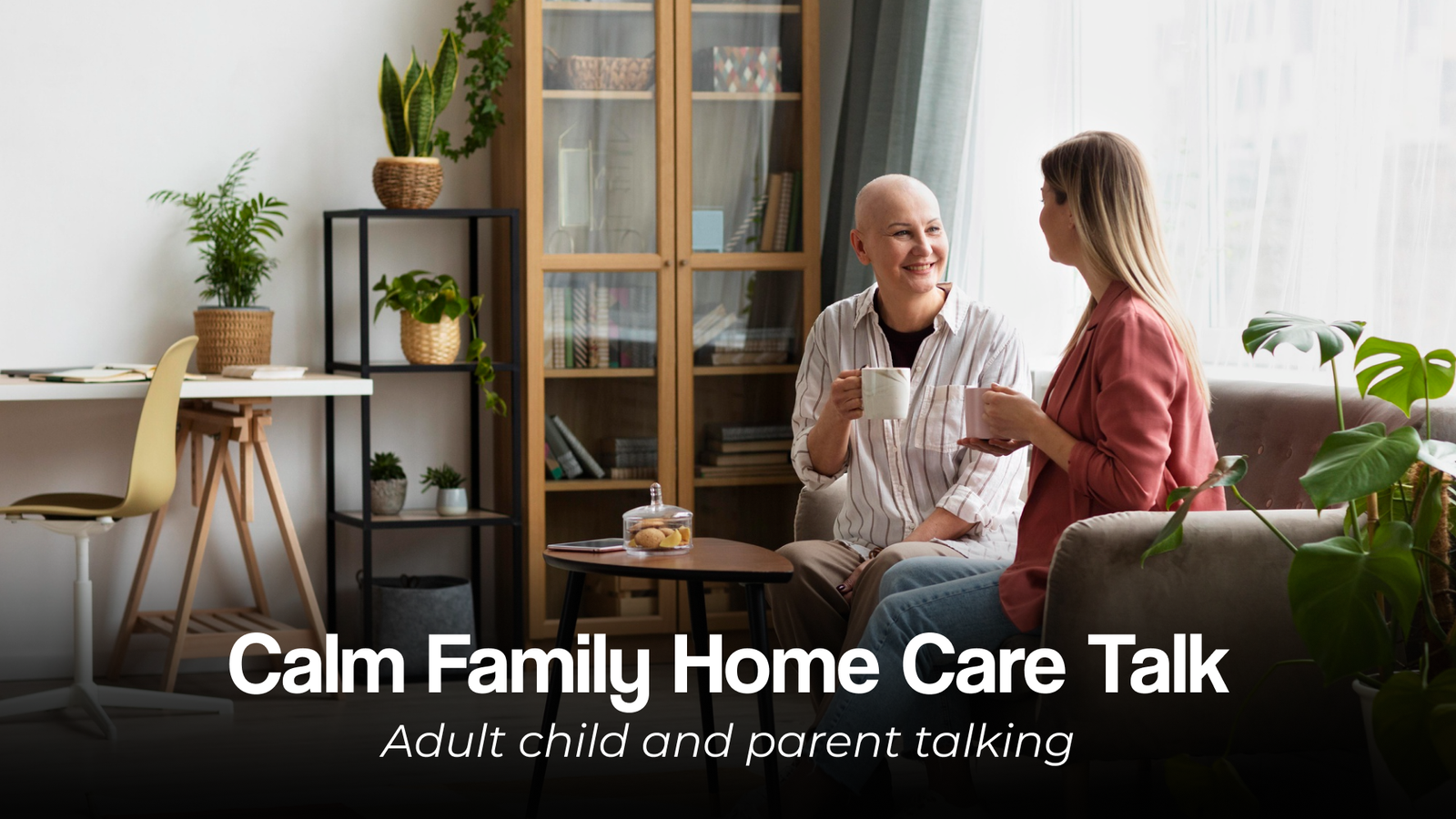
Emotional health matters just as much as physical health. Seniors who live at home alone may feel isolated, especially if family members live far away or visit infrequently.
Companionship can help by:
- Providing conversation.
- Encouraging hobbies.
- Supporting social visits or calls.
- Creating a sense of routine and connection.
Many families choose care services not only for practical help, but also for the peace of mind that comes from knowing their loved one is not alone.
7. Make communication easier
Good communication makes caregiving smoother for everyone. Seniors should feel respected and included in decisions about their home, routines, and support needs.
Helpful communication habits include:
- Speaking clearly and patiently.
- Asking open-ended questions.
- Listening without interrupting.
- Involving the senior in care decisions whenever possible.
When communication is respectful, seniors are more likely to cooperate with care and feel more in control of their lives.
8. Plan for changing needs
Home care needs can change over time. A senior may start with light help and later need more personal care, companionship, or supervision.
Families should regularly review:
- Mobility changes.
- Memory concerns.
- Meal and medication habits.
- Emotional well-being.
- Safety around the home.
If needs are increasing, an In-Home Care Service in Illinois can help families adjust support before a crisis occurs. For families paying privately, Private Pay Home Care Illinois may offer a more customized care plan based on daily needs and schedule preferences.
9. Ask for help early
Many families wait too long to bring in support. That delay can create stress for both the senior and the caregiver.
It is usually time to get extra help when:
- Household tasks are becoming difficult.
- Falls or near-falls are happening.
- Meals and medications are being missed.
- The senior is becoming lonely or anxious.
- Family caregivers are feeling overwhelmed.
Getting help early often leads to better outcomes and a safer home environment.
Conclusion
The best home care approach is one that supports safety, independence, dignity, and comfort. With the right routine and the right help, seniors can continue living at home with greater confidence and less stress.
For families in Illinois, choosing an In-Home Care Service in Illinois or exploring Private Pay Home Care Illinois can be an important step toward building dependable support at home.
FAQs