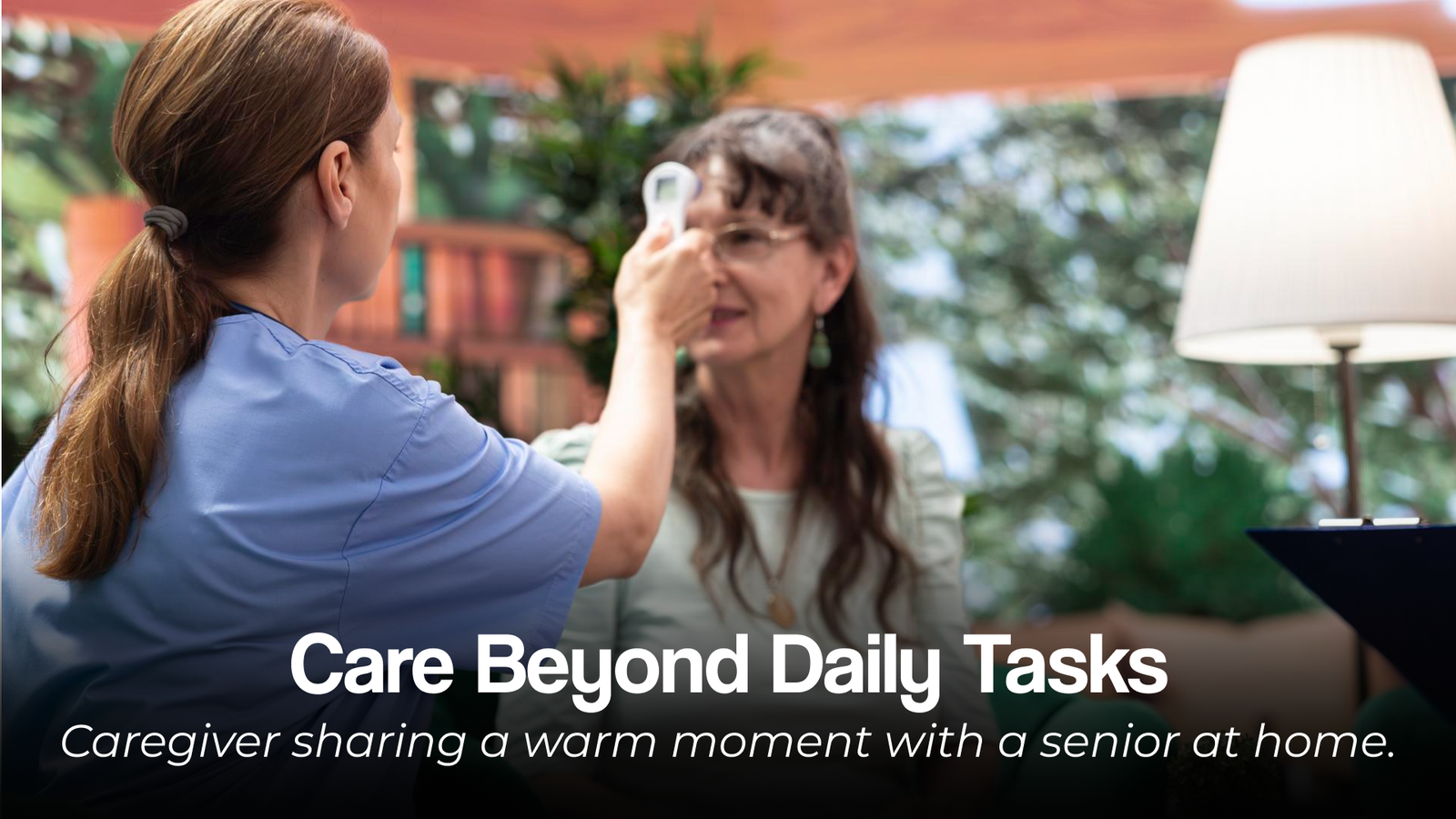


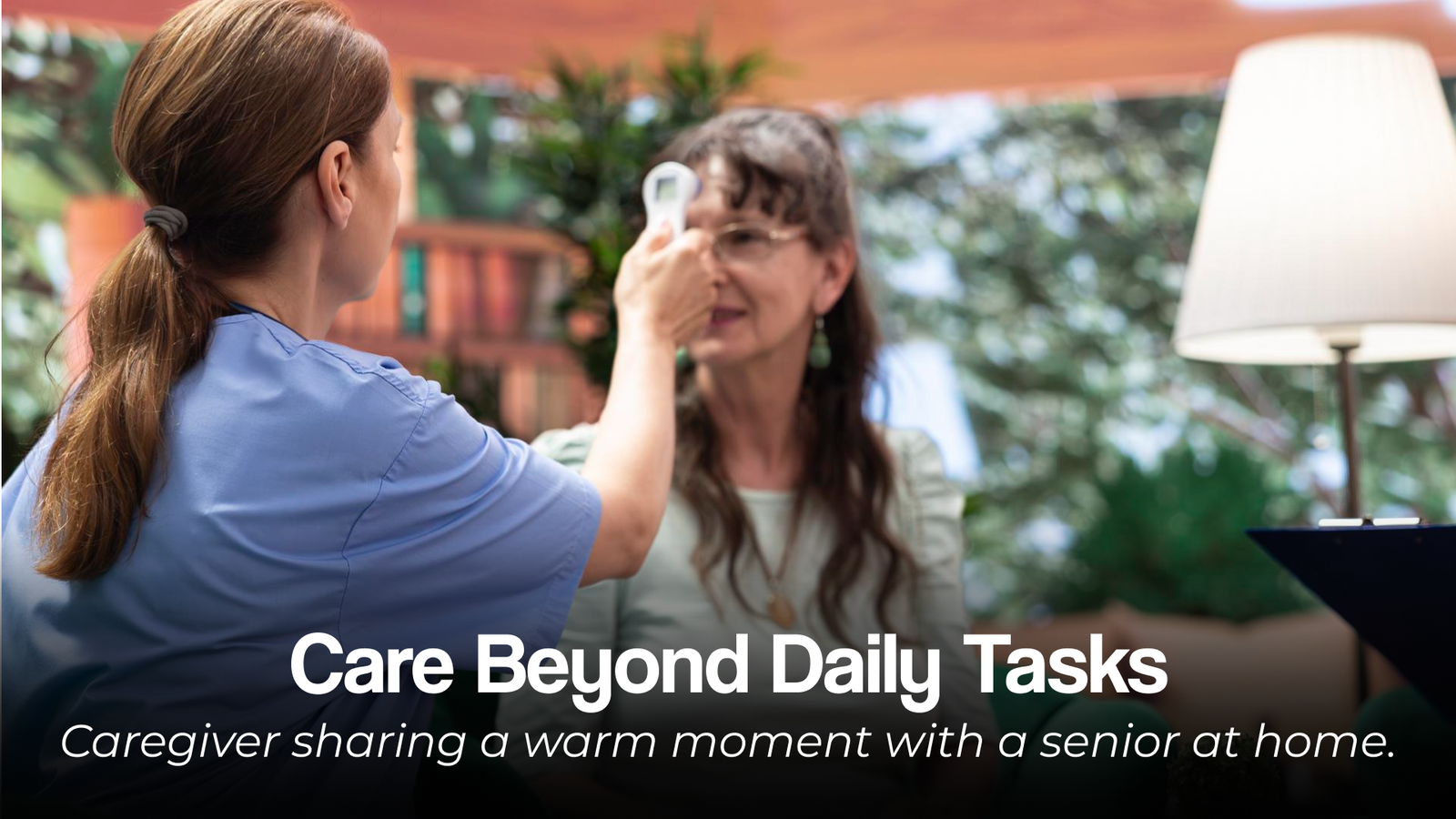
Compassionate home care is about more than helping someone bathe, dress, prepare meals, or take medication on time. At its heart, it is about protecting a person’s dignity, independence, emotional well-being, and sense of belonging while they continue living in the place they know best: home.
For many seniors, accepting help can feel like losing control. A thoughtful caregiver understands this. Instead of simply completing a checklist of tasks, compassionate care focuses on the whole person—their routines, preferences, memories, relationships, and goals. That human connection can make a meaningful difference in both quality of life and long-term health.

Every person has a unique story. One senior may want help getting ready in the morning so they can attend a faith service, visit a friend, or enjoy a walk outside. Another may need reassurance after a hospital stay or simply appreciate having someone to share coffee and conversation with each day.
Compassionate caregivers listen first. They learn how a person likes their meals prepared, what music they enjoy, which activities bring comfort, and what routines help them feel safe. This attention to detail turns basic assistance into personalized care.
For example, helping with a shower is not only about safety. It is also about respecting privacy, moving at a comfortable pace, and preserving the client’s confidence. Preparing a meal is not only about nutrition; it can also be an opportunity to talk, laugh, share family recipes, and maintain a sense of normalcy.
When care is built around listening, seniors feel seen rather than managed. That emotional safety often makes them more willing to accept help, follow healthy routines, and stay engaged in daily life.
Aging, illness, or disability can make everyday activities more difficult, but it does not reduce a person’s worth. Compassionate home care protects dignity by supporting seniors without taking over their lives.
A caregiver may encourage a client to choose their own clothes, help with only the parts of a task they cannot safely complete, or allow extra time for them to do things independently. These small choices matter. They remind seniors that they still have a voice in their own care.
Respectful communication is equally important. Speaking to an older adult with patience and warmth—rather than rushing, correcting, or talking down to them—helps preserve self-esteem. Caregivers who treat clients as partners, not patients, create an environment where seniors feel valued.
This approach also gives families peace of mind. Loved ones can trust that their parent or relative is being cared for with kindness, patience, and respect, not just efficiency.

Loneliness and social isolation are serious health concerns for older adults. The National Institute on Aging notes that loneliness and isolation are associated with higher risks of depression, anxiety, heart disease, cognitive decline, dementia, and earlier death. The CDC similarly identifies social isolation and loneliness as risk factors for heart disease, stroke, diabetes, dementia, and premature death.
This is why companionship is not a “nice extra” in home care—it is an essential part of whole-person support. A caregiver who shares a meal, takes a walk, plays a card game, or listens to stories helps reduce isolation and create meaningful daily connections.
Regular social interaction can improve mood, reduce stress, support cognitive function, and encourage seniors to remain active. Even simple routines—morning conversation, a shared walk, or looking through old photographs—can provide comfort and purpose.
For seniors who live alone or have lost a spouse, close friends, or regular community involvement, a consistent caregiver may become an important source of stability and connection. That relationship can help them feel less alone and more confident facing each day.
Compassionate care does not mean doing everything for someone. In many cases, it means doing just enough to help them remain as independent as possible.
A caregiver might prepare ingredients while the senior helps season the meal, encourage safe movement during a walk, or offer reminders without taking control of decisions. The goal is always to support ability, not replace it.
Maintaining independence has real emotional benefits. When seniors can make choices about their meals, clothing, activities, and schedules, they retain a sense of purpose and control. This can improve confidence and reduce feelings of helplessness.
Home care also helps seniors remain in familiar surroundings. Being at home can be especially comforting for people living with memory loss, chronic illness, or mobility challenges. Familiar furniture, routines, neighbors, and personal belongings provide reassurance that a new environment often cannot.

Home care does not only benefit the person receiving care. It also supports family members who may be balancing work, parenting, health concerns, and caregiving responsibilities.
Family caregivers often want to do everything themselves, but constant responsibility can lead to stress, exhaustion, and burnout. Professional home care gives families relief while ensuring their loved one receives consistent, attentive support.
It also allows family visits to become more meaningful. Instead of spending every visit managing medications, meals, laundry, or appointments, families can focus on conversation, connection, and quality time.
Compassionate caregivers can also keep families informed. Observations about appetite, mood, mobility, sleep, or changes in behavior can help relatives notice potential concerns early and communicate more effectively with health professionals.
The best home care relationships are built on trust. Over time, a caregiver learns a senior’s preferences, celebrates their milestones, notices subtle changes, and provides reassurance during difficult moments.
That consistency matters. A familiar caregiver can help reduce anxiety, especially for seniors with dementia or those who become unsettled by frequent changes. Familiarity also makes it easier to spot when something is wrong—such as a loss of appetite, increased confusion, or reduced mobility.
Compassionate care is not about completing tasks faster. It is about showing up with patience, empathy, and genuine concern. It recognizes that a person’s emotional needs are just as important as their physical needs.

When evaluating a home care provider, families should look beyond services and pricing. Ask how caregivers are matched with clients, how care plans are personalized, and how the agency communicates with families.
A strong provider will emphasize respect, consistency, safety, and meaningful engagement. It will treat each client as an individual with preferences, history, and goals—not simply as someone who needs assistance.
At Happy Hearts Home Care, the focus is on helping seniors maintain comfort, independence, and dignity at home through personalized non-medical support, including personal care assistance, meal preparation, medication reminders, and companionship. Compassionate care brings practical help and emotional connection together, making everyday life safer, warmer, and more fulfilling.
Ultimately, compassionate home care is about helping people live well—not merely manage daily tasks. It honors the past, supports the present, and protects the independence and joy that every person deserves.
Compassionate home care goes beyond assisting seniors with everyday activities. It is about creating meaningful connections, preserving dignity, encouraging independence, and supporting emotional well-being. Through personalized care, companionship, and respectful assistance, seniors can continue enjoying a comfortable and fulfilling life in the familiar surroundings of their own homes.
At Happy Hearts Home Care, every individual deserves to feel valued, respected, and supported. Compassionate caregivers provide more than practical help—they bring comfort, reassurance, and meaningful companionship to seniors and their families. By focusing on each person’s unique needs, preferences, and goals, home care can make a lasting difference in quality of life.
Compassionate home care is non-medical support delivered with empathy, patience, and respect. It includes help with daily activities such as bathing, dressing, meals, medication reminders, and companionship, while also focusing on emotional well-being and dignity.
Home care generally focuses on non-medical daily support, such as personal care, meal preparation, companionship, transportation assistance, and household tasks. Medical home health care involves clinical services provided by licensed medical professionals, such as nursing or therapy.
Yes. Regular companionship, conversation, shared activities, and encouragement to stay engaged can reduce isolation and support emotional health. Social connection is especially important for older adults because loneliness and isolation are linked to serious physical and mental health risks.nia.nih+1
Warning signs may include difficulty with bathing or dressing, missed medications, poor nutrition, frequent falls, memory changes, withdrawal from activities, or increasing safety concerns at home. If daily tasks are becoming difficult or family caregivers feel overwhelmed, an in-home care assessment can help.
Caregivers provide assistance only where needed, encouraging seniors to make choices and participate in daily routines whenever safely possible. This support helps seniors remain at home while preserving confidence, autonomy, and a sense of purpose.
Tags :