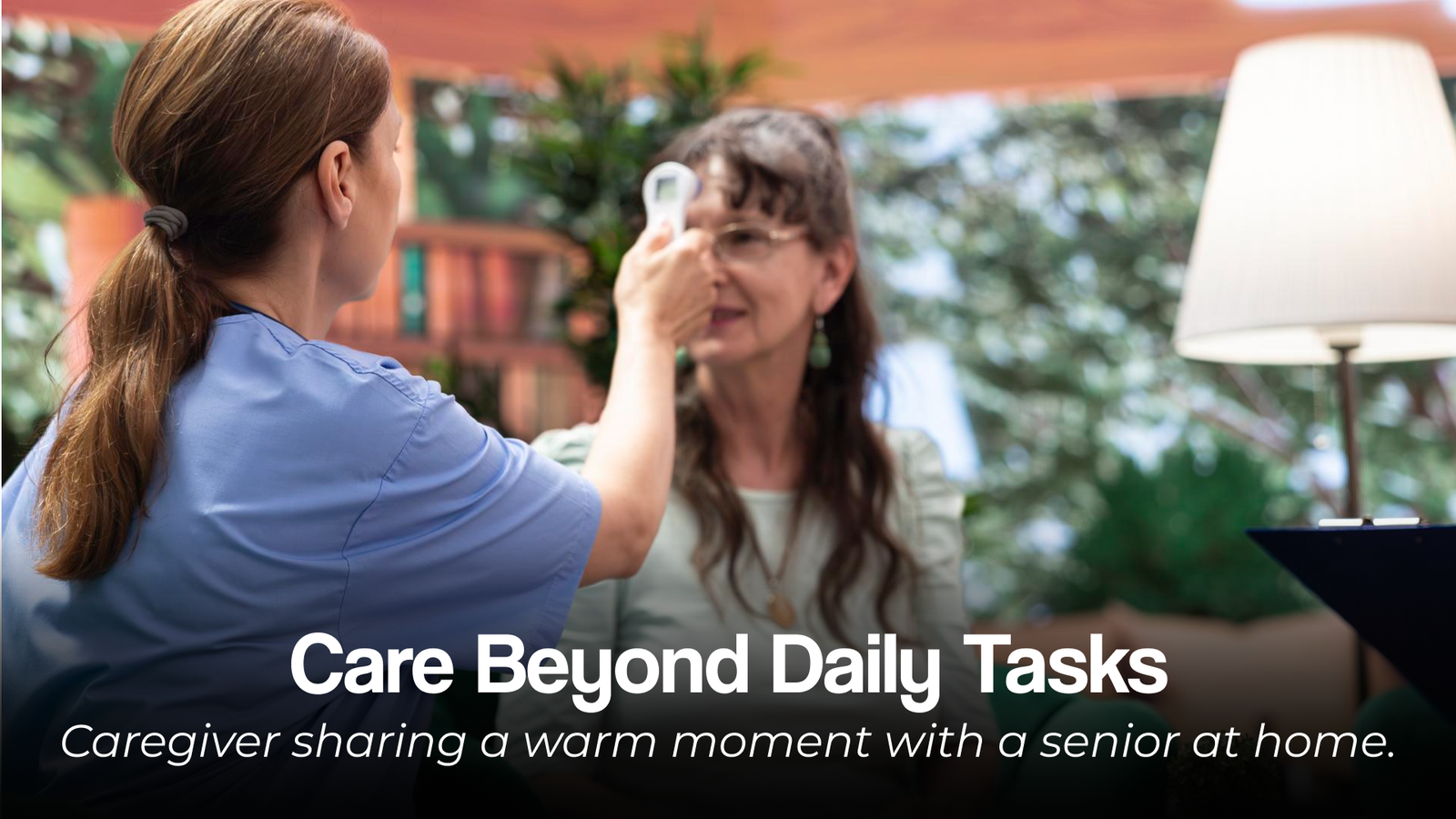


For many older adults and people living with illness, injury, or disability, everyday tasks can gradually become difficult. Bathing, dressing, preparing meals, moving safely around the house, and remembering medications may once have been simple routines—but they can become stressful, exhausting, or unsafe without support.
Personal care at home provides practical, non-medical assistance with these daily activities while helping people remain in the familiar comfort of their own homes. Rather than taking away independence, the right personal care can protect it. It helps individuals stay safer, healthier, more confident, and more connected to the people and routines that matter most.
The National Institute on Aging describes aging in place as remaining in one’s own home while maintaining independence for as long as possible, with support from family, friends, and professional caregivers when needed. Personal care is one of the most important forms of that support because it focuses on the everyday activities that shape comfort, dignity, and quality of life.

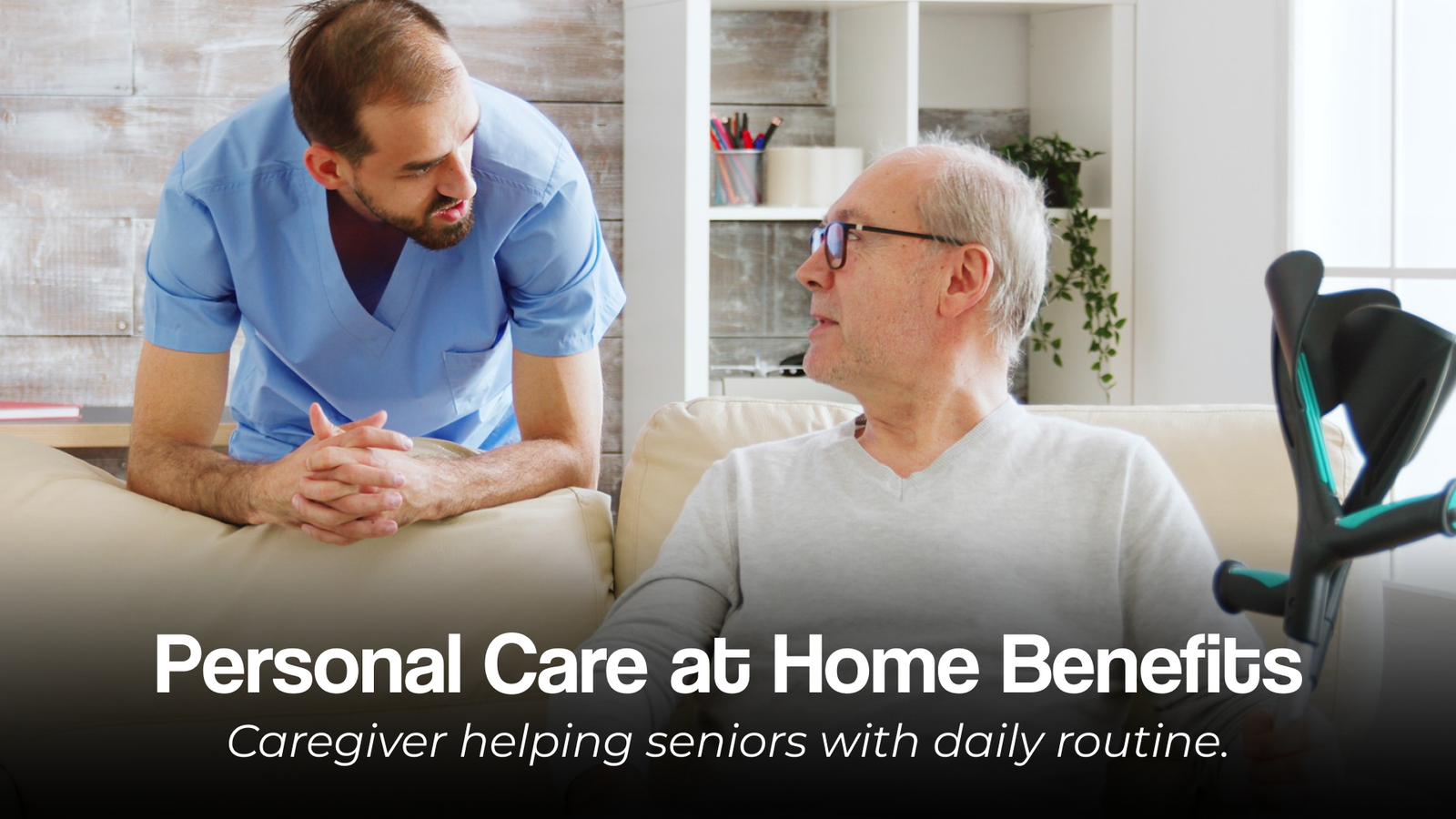
Personal care at home is hands-on, non-medical support that helps a person complete activities of daily living, often called ADLs. These include essential tasks such as bathing, grooming, dressing, toileting, eating, mobility, and medication reminders.
A personal caregiver may assist with:
This type of care is different from skilled nursing or medical home health care. Personal caregivers focus on comfort, safety, routine, and daily support rather than clinical treatments performed by licensed medical professionals.
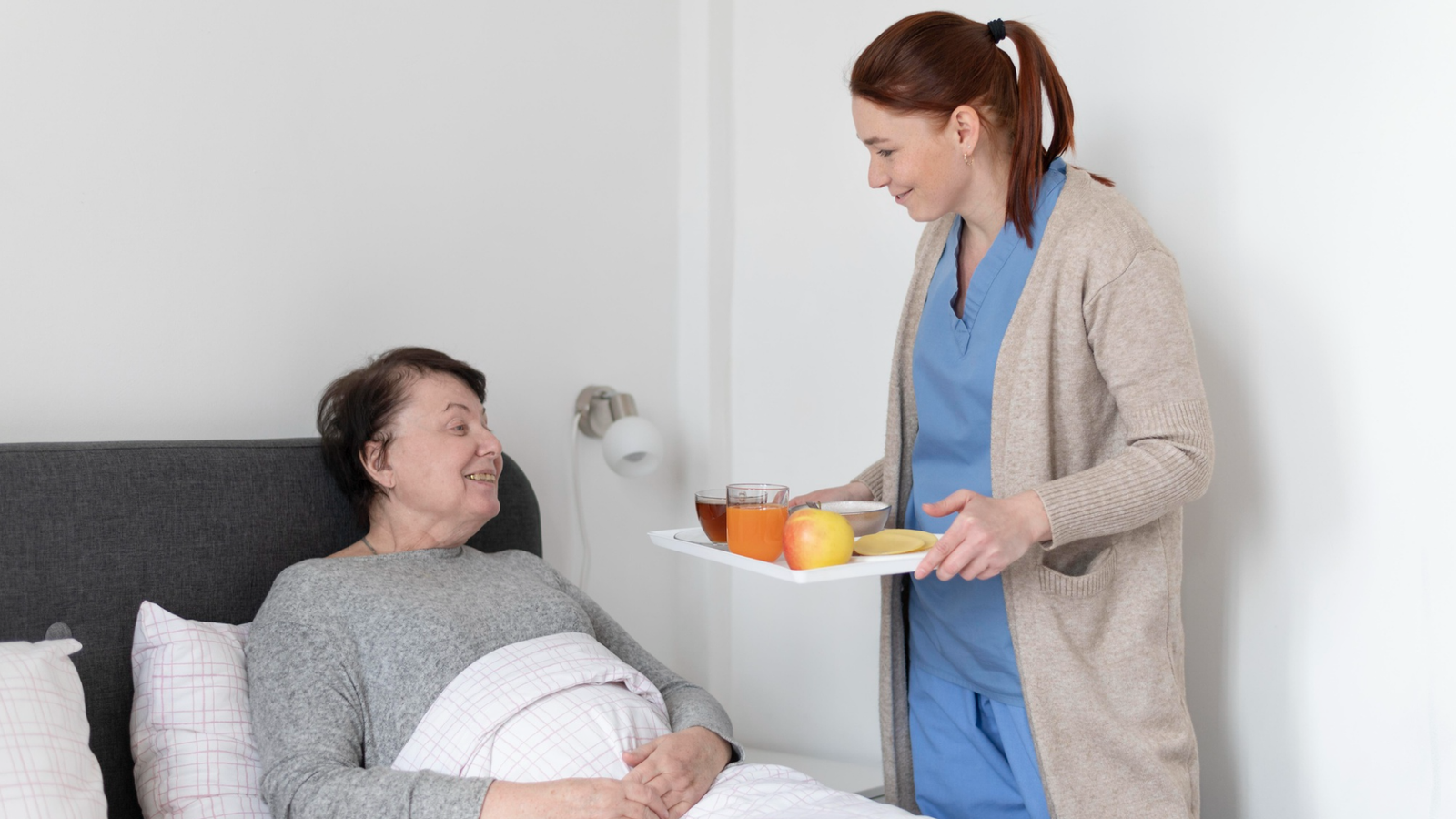
Safety is one of the most immediate benefits of personal care at home. Many accidents happen during ordinary routines, especially in the bathroom, on stairs, or while getting in and out of bed. The CDC notes that most falls happen at home and recommends measures such as removing clutter, securing rugs, improving lighting, and installing grab bars in bathrooms.
A caregiver can reduce these risks by:
Fall prevention is especially important because falls can lead to serious injuries, hospitalization, and loss of independence. MedlinePlus recommends home modifications such as removing loose rugs, improving lighting, adding bathroom grab bars, and keeping frequently used items within easy reach. A personal caregiver can help put these precautions into daily practice.
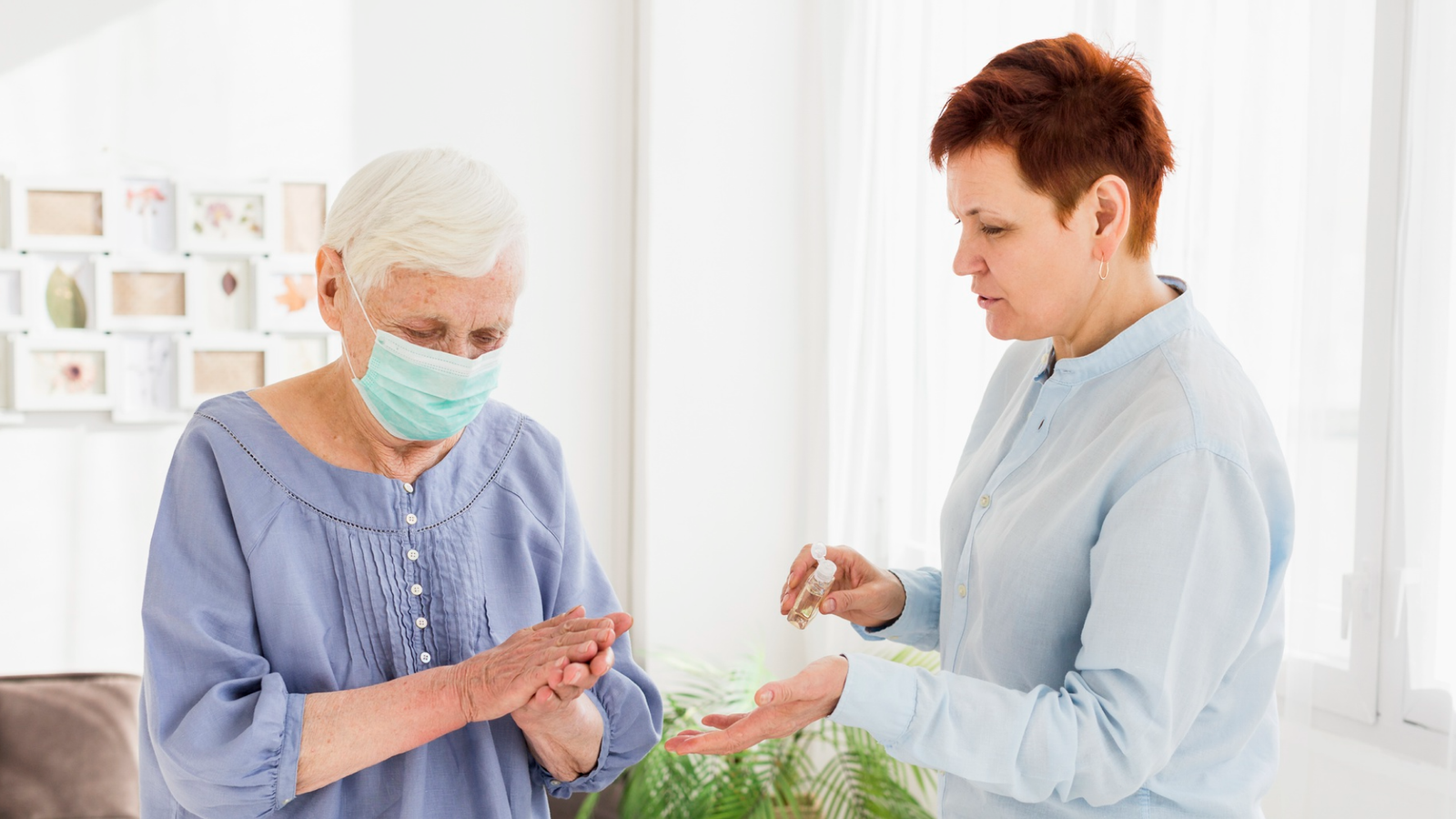
Many families worry that bringing in outside help may make a loved one feel dependent. In reality, well-delivered personal care often does the opposite. When someone receives help with the tasks that have become difficult, they can continue doing the things they still can and want to do.
For example, a caregiver may assist with buttoning a shirt or safely stepping into the shower, while still allowing the client to choose their clothes, hairstyle, meals, and daily schedule. This “support with, not take over” approach preserves choice and self-respect.
Personal care also protects dignity. Intimate tasks such as bathing, dressing, and toileting can feel uncomfortable when handled by adult children or spouses. A trained professional caregiver can provide respectful, consistent assistance while allowing family members to focus more on companionship and emotional connection.
Aging in place is closely tied to independence, dignity, and connection. Research on home modifications and aging in place also shows that safer, more accessible home environments can improve functional independence and quality of life.
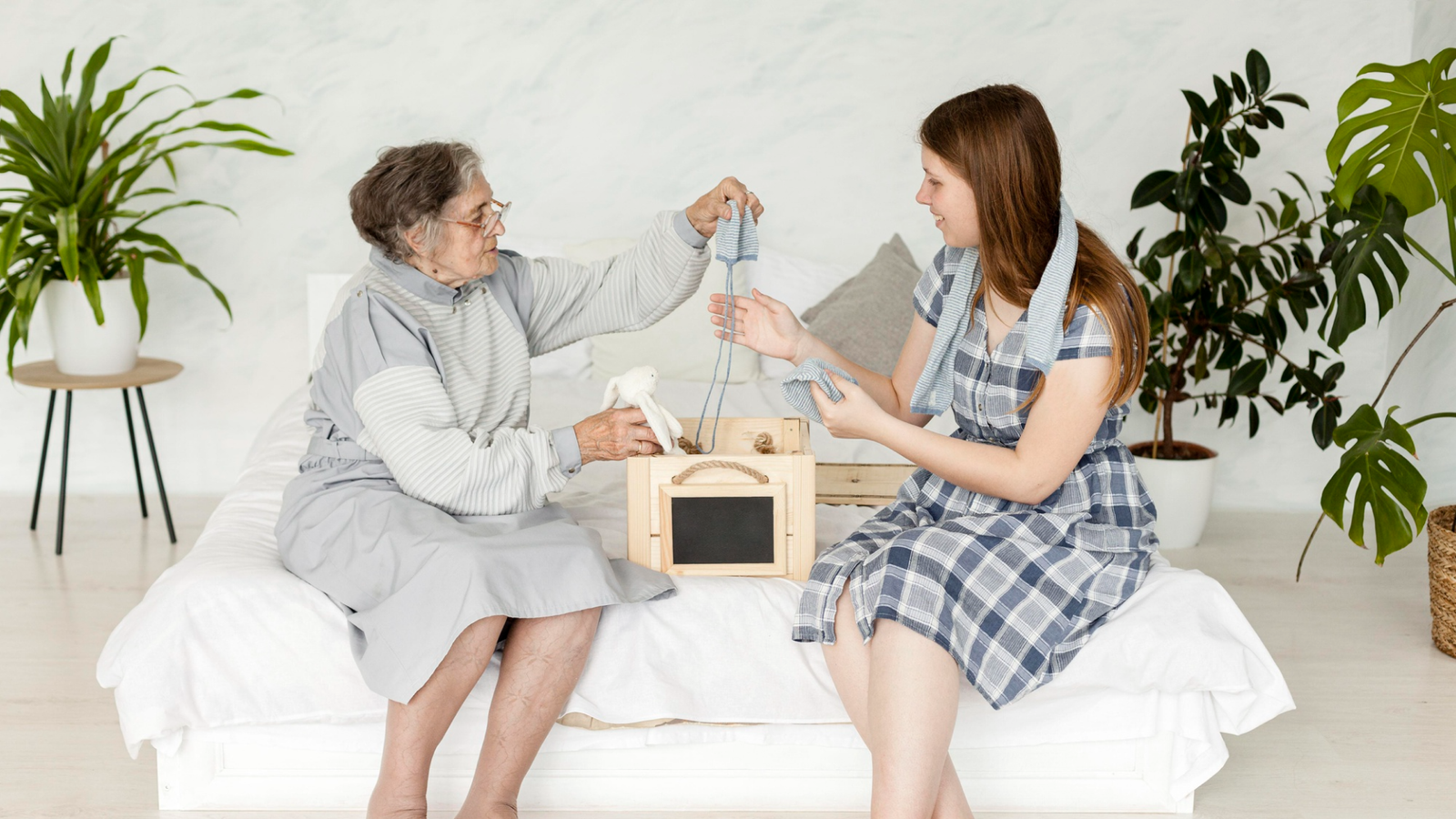
Daily routines have a powerful effect on health. When someone struggles with basic tasks, they may skip showers, eat less, drink less water, or avoid moving around. Over time, these small changes can contribute to weakness, skin problems, poor nutrition, confusion, and a higher risk of illness.
Personal care helps create consistency by supporting:
For example, a caregiver may prepare a simple breakfast, encourage a glass of water, assist with a morning shower, and remind the client to take prescribed medication. These small, repeated actions can make the entire day feel more manageable and reduce preventable health setbacks.
Consistent support is particularly valuable for people recovering from surgery, living with chronic conditions, or experiencing memory changes. The National Institute on Aging notes that home-based services may be short-term, such as during recovery from an operation, or long-term for people who need ongoing help.
Daily life is not only about physical needs. Emotional well-being matters just as much. Many seniors who live alone experience loneliness, especially if family members work full-time or live far away. Staying in a familiar home can support social connection and comfort, but it can also become isolating without regular interaction.
A personal caregiver provides more than physical assistance. They offer conversation, encouragement, shared activities, and a friendly presence throughout the day. This may include talking over coffee, going for a short walk, looking through photo albums, playing a game, or simply sitting together during a meal.
Companionship can improve mood, reduce feelings of isolation, and give family members greater peace of mind. For older adults, having someone reliable to talk to can make each day feel less quiet and more meaningful.
Family members often want to care for their loved ones themselves, but caregiving can become overwhelming. Adult children may be balancing jobs, children, household responsibilities, and their own health while also providing daily support to a parent or spouse.
Personal care at home gives families relief by sharing the responsibility. A professional caregiver can assist during mornings, evenings, weekends, or specific hours when support is needed most. This allows family caregivers to rest, work, run errands, or spend quality time with their loved one without constantly worrying about safety and daily tasks.
Respite and shared care can also reduce stress and improve family relationships. When family members are less exhausted, they are often more patient, present, and emotionally available. The person receiving care benefits from a calmer, more stable home environment.
One of the greatest advantages of personal care is that it can help people remain in their own homes longer. Most people prefer to age in familiar surroundings, near their belongings, neighbors, routines, and memories. The National Institute on Aging notes that many older adults want to stay in their homes and maintain independence for as long as possible.
Personal care makes this possible by addressing the practical barriers that might otherwise force a move to assisted living or a care facility. With help with bathing, mobility, meals, and daily supervision, a person may be able to continue living safely at home.
This can be especially meaningful for individuals with dementia or other cognitive changes. Supportive home-based programs that combine caregiver education, safety planning, and meaningful activities have been associated with improved quality of life and reduced caregiver burden.
It may be time to explore personal care if you notice that a loved one:
Seeking support early can prevent emergencies and make the transition to care easier. Planning ahead gives families more options and greater flexibility as needs change.
Personal care at home can transform daily life by making ordinary routines safer, easier, and more dignified. It supports hygiene, mobility, nutrition, medication routines, and companionship while allowing people to remain in the place they know best.
Whether someone needs a few hours of help each week or daily support, personal care can improve comfort, confidence, and independence. Most importantly, it gives families peace of mind knowing their loved one is safe, respected, and never alone.
Personal care at home is non-medical assistance with everyday activities such as bathing, dressing, grooming, toileting, mobility, meals, and medication reminders. It helps people remain safe, comfortable, and independent at home.
Older adults, people recovering from surgery, individuals with disabilities, and those living with chronic illness or memory loss can benefit. Anyone who needs help with daily activities but wants to remain at home may be a good candidate.
No. Personal care focuses on daily living support, while medical home health care involves clinical services provided by licensed medical professionals. Personal caregivers may provide medication reminders but do not perform medical treatments.
Care schedules can be flexible. Some people need a few hours per week, while others require daily visits or longer shifts depending on their needs, safety risks, and family situation.
Look for signs such as difficulty bathing or dressing, frequent falls or near-falls, poor hygiene, missed meals, medication confusion, loneliness, or increasing reliance on family members. Early support can improve safety and prevent more serious problems.
Tags :
One Response